

Your Summer Reading List Is Here, And It's All Latina Authors
Pack these stories and disappear all summer.
If you’re like me, you probably have piles of unread books scattered all over your house. After all, there’s no such thing as too many books. However, one of my favorite times to buy books is right at the start of summer.
Every year, tons of new books come out just in time for summer, hoping readers will have a chance to enjoy them. I’ve already put together my own list, and I’m excited to share it with you.
Here are some books by Latino authors that are perfect to pack for your summer adventures.
When You Want to Disappear Into Someone Else’s Life
“Last Night in Brooklyn” by Xochitl Gonzalez swallows you whole.
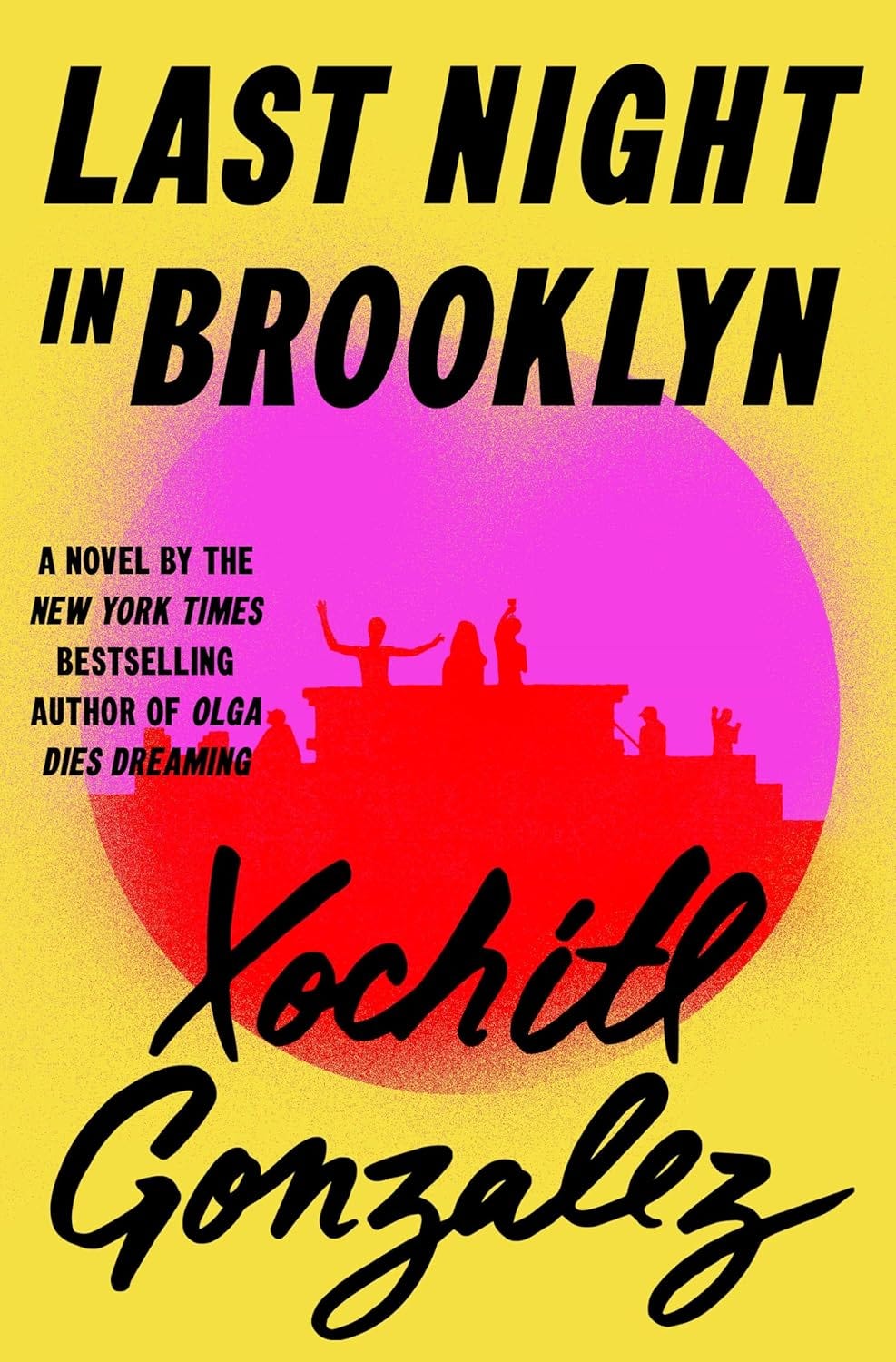
Set in Fort Greene, Brooklyn, in 2007, the story follows 26-year-old Alicia Canales Forten as she questions her life and gets caught up with her glamorous neighbor La Garza, a fashion designer, and her wealthy cousin, a Wall Street banker. The backdrop is a looming financial crisis and a presidential election. Critics are calling Gonzalez’s novel a modern-day Great Gatsby that explores class, ambition, gentrification, and the tough choices people of color face as they chase the American Dream. If you want to escape into someone else’s luxurious but risky world, this is the book for you.
“The Sun and All the Other Stars” by Karla Montalván is a sweeping literary romance that spans centuries and cultures.
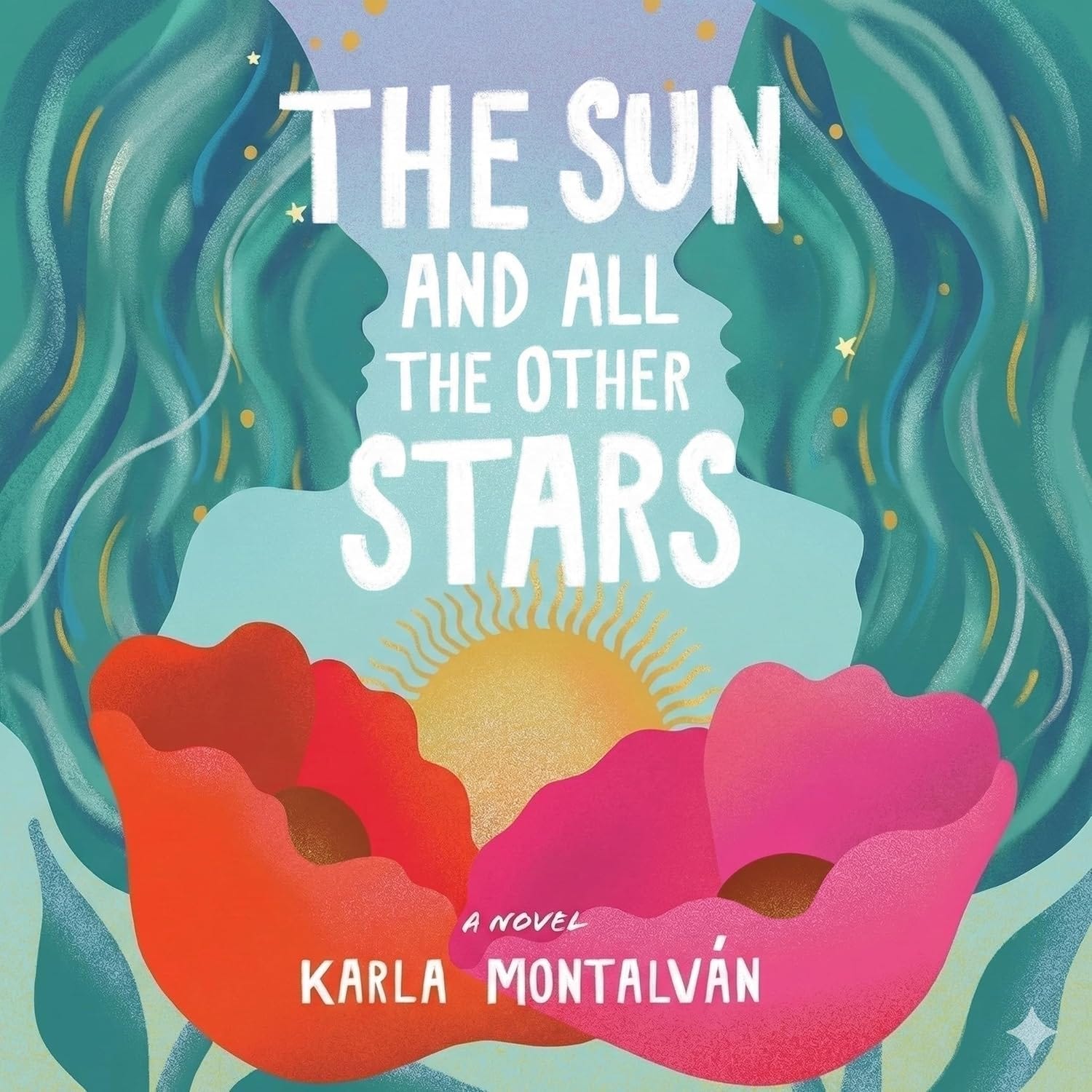
Marisol Varela, a Cuban American muralist living in Madrid, is trying to move on from a broken engagement and a family history that seems to doom the women in her family to heartbreak. Through past-life regression therapy, she experiences three former lives: a rebellious painter in 1482 Florence, a clever woman caught up in espionage during the Spanish Inquisition, and a gay man facing love and loss in 1980s SoHo during the AIDS crisis. In each life, she meets Dario, an Italian poet whose bond with Marisol lasts through the ages. The novel explores whether love is shaped by fate, choice, or something else entirely. Available in both English and Spanish, it brings together themes of immigration, gender, queerness, and art as a form of survival.
When You Want Your Brain Engaged
“The Mystery of the Stolen World Cup Trophy” by Angela Cervantes is perfect if you’re traveling with kids, or if you just want something that moves fast and keeps you guessing.
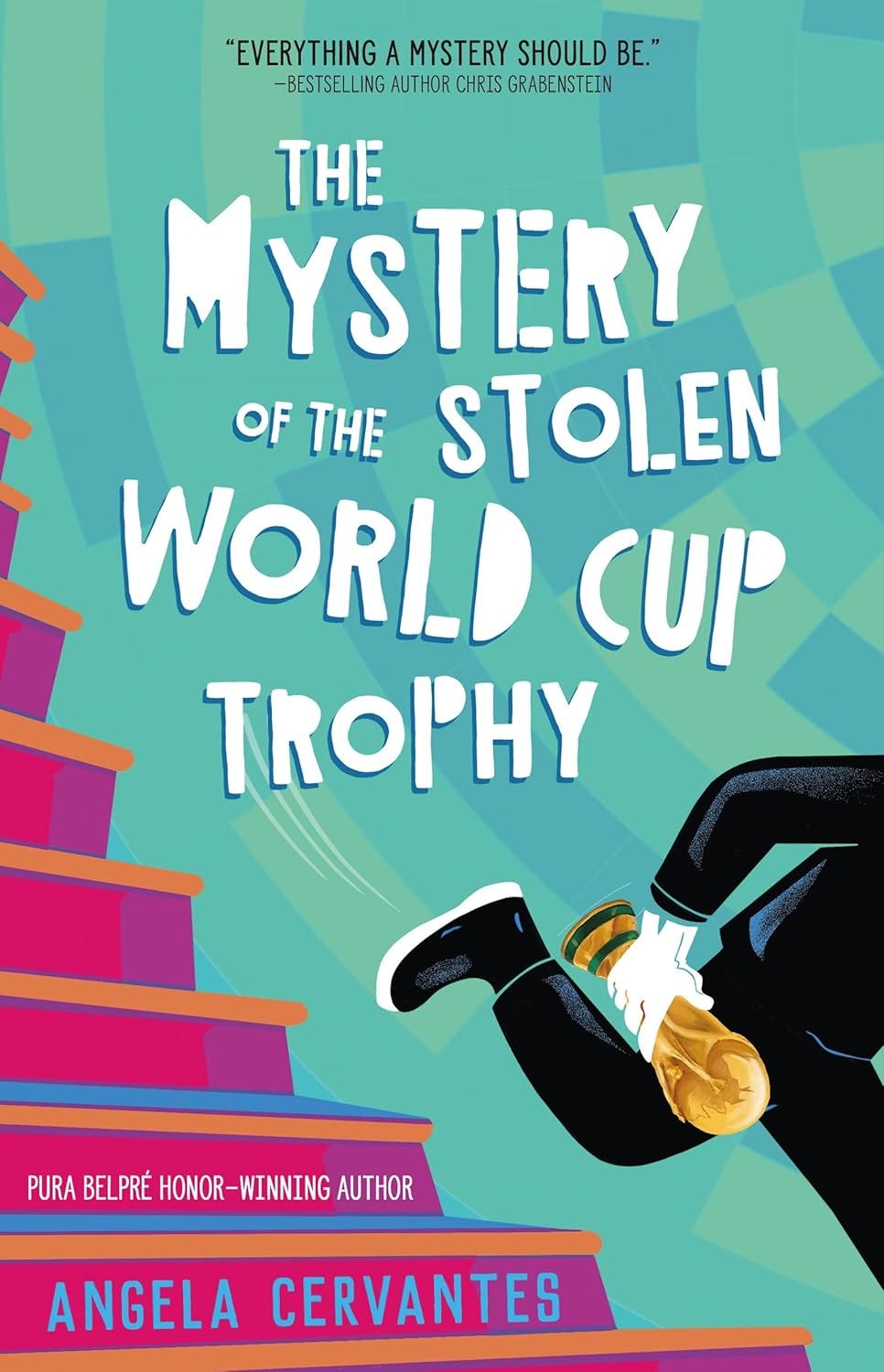
Twelve-year-old detective Diez Espada, named after Lionel Messi, has to find the stolen World Cup trophy at a Miami party before the big game. He joins forces with his crush, Rio, and a well-known detective to crack the case. Cervantes mixes soccer with a classic mystery, adding quirky suspects, clues, and themes of friendship, family, and redemption, along with real-life soccer details.
“Muñeca” by Cynthia Gómez should be first on your list.
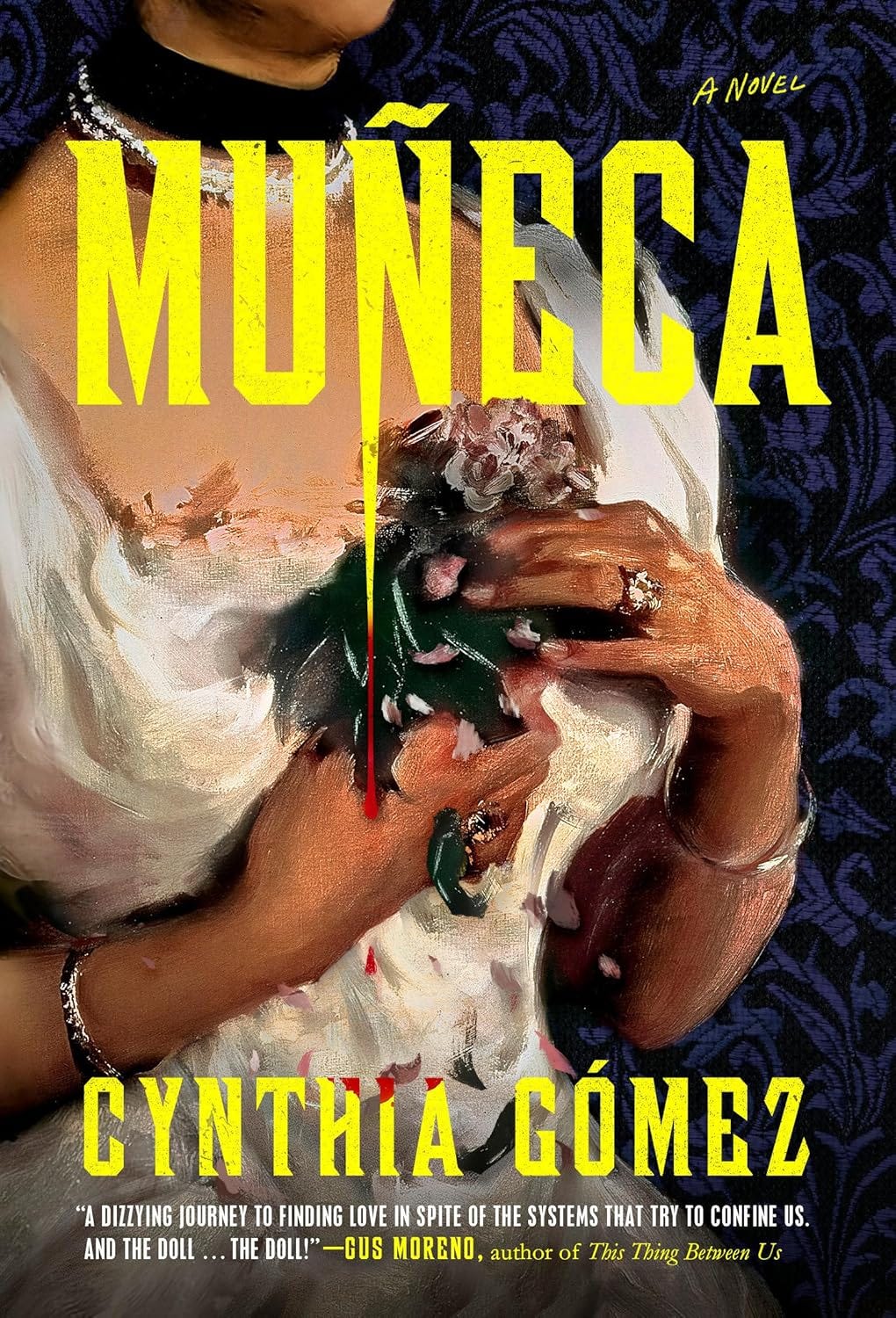
This vivid, surreal Gothic novel is set in 1968 Oakland and follows Natalia Fuentes, a queer, Latine, working-class witch. She’s determined to save Violeta Miramontes, a beautiful heiress paralyzed by a strange illness that Nati believes is caused by dark magic. Hoping to break the spell and earn a reward, Nati becomes Violeta’s caretaker. As their romance grows, Nati becomes more reckless and must confront her own past. This debut feels like the work of a seasoned writer, exploring how far someone will go to save the person they love, even at great personal cost.
“Electric Shamans at the Festival of the Sun” by Mónica Ojeda is hypnotic and disorienting in the best way.
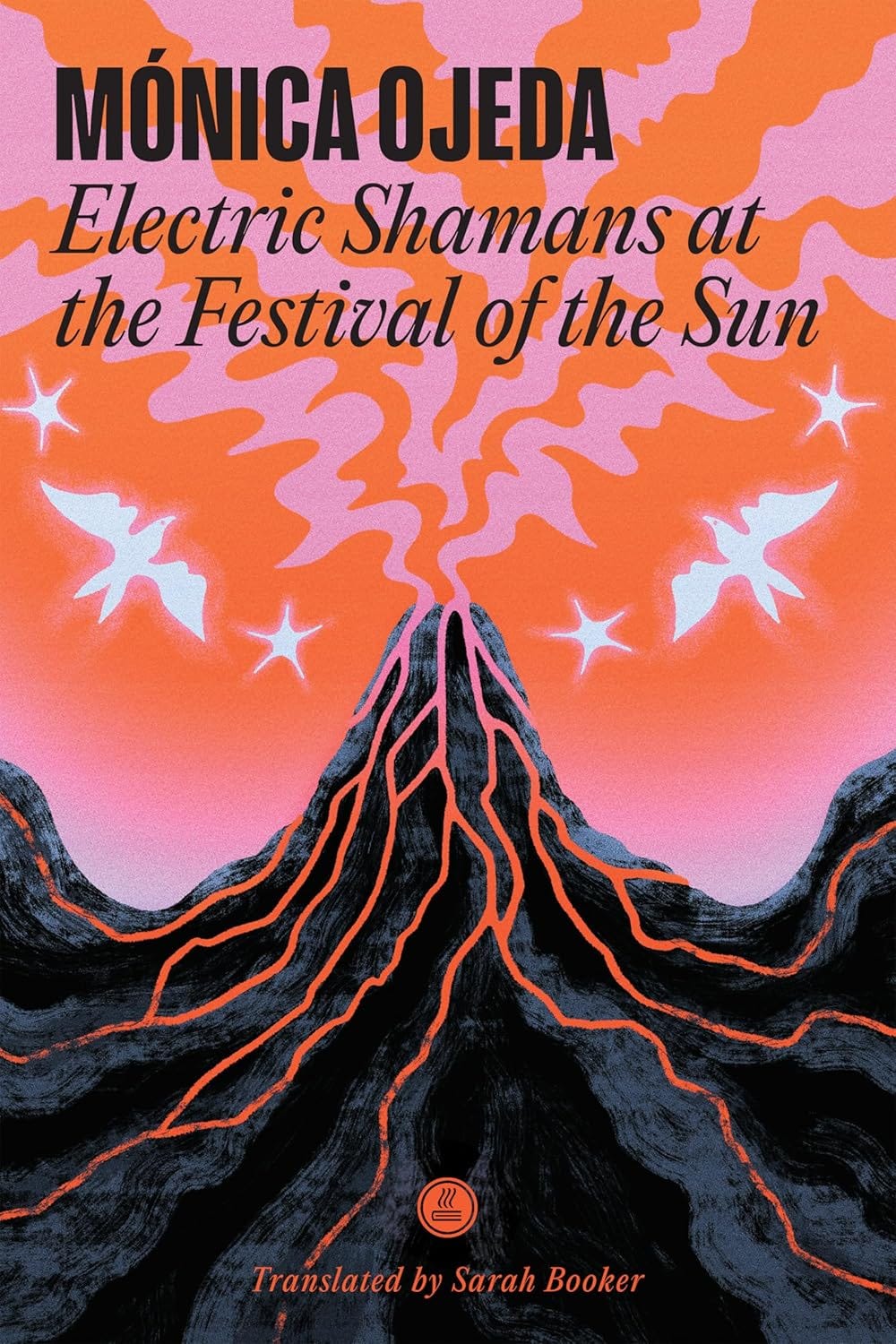
Translated by Sarah Booker and coming out in May 2026, this novel follows best friends Noa and Nicole as they travel from Guayaquil to the Solar Noise Festival, a retro-futuristic event near a volcano. Along the way, they encounter drugs, wild parties, and strange rituals. Noa searches for her missing father and struggles with sleepwalking, while Nicole witnesses the dark changes happening around them. Ojeda mixes techno-shamanic rituals with themes of girlhood, trauma, and violence. The story is trippy and unforgettable, exploring both personal and societal breakdown in a way that lingers long after you finish reading.
When You Want to Remember What It Felt Like to Be Young
“Tangled Roots & Wild Dreams” by Angela Velez is hilarious and moving in equal measure.
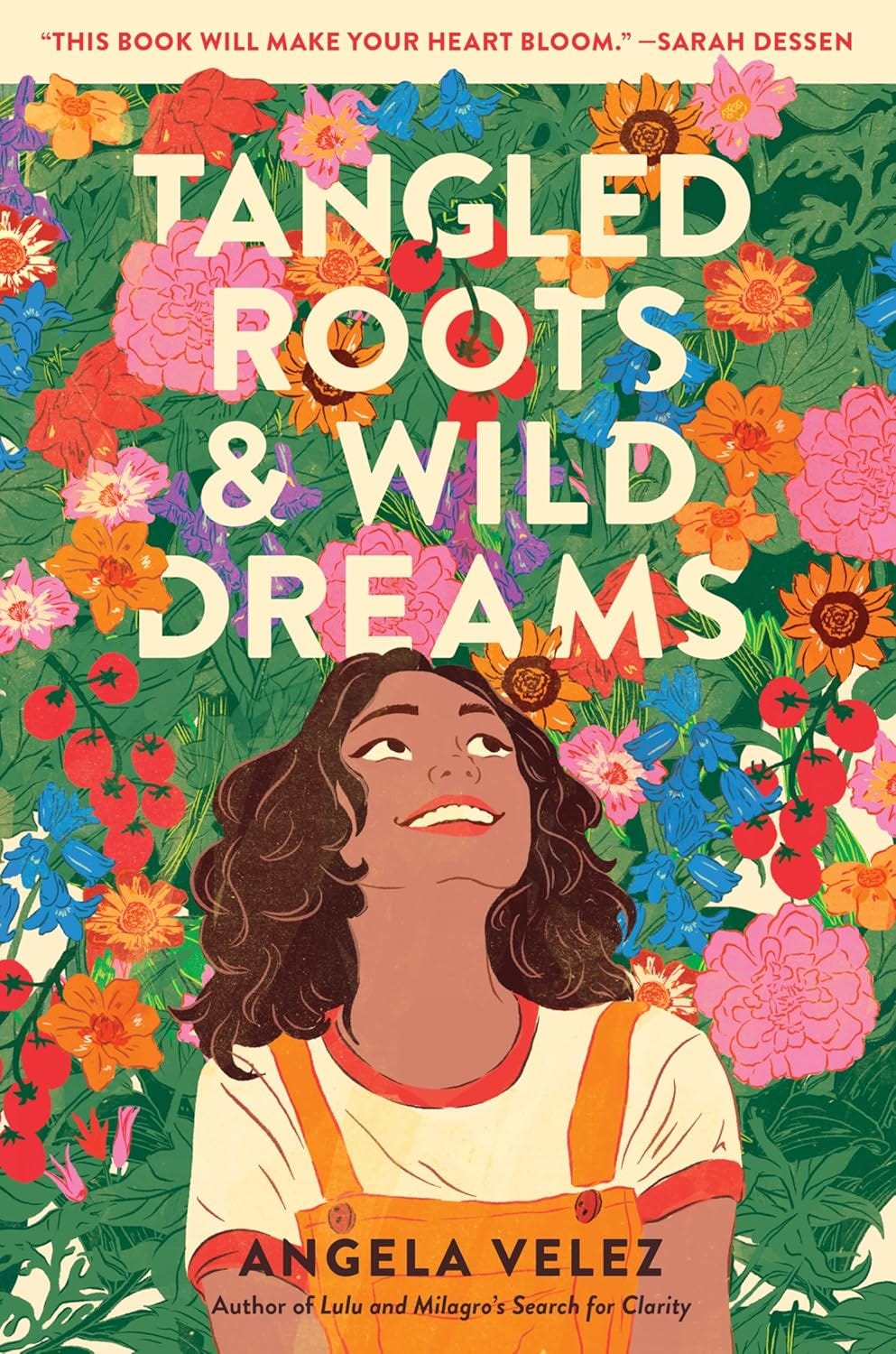
The story centers on Ezzie Ramos, who’s great at keeping secrets. Her smart professor mom and curious abuelita have no idea about her daily trips to the art museum, her blank college applications, or her summer plans. What they really don’t know is that she’s interning at Sprout, the urban garden her father started just weeks before he died. With seven weeks to learn who her dad really was, Ezzie follows every clue, even if it means dealing with Gabe McCalister, Sprout’s star volunteer, who’s both off-limits and hard to ignore. The book is funny and heartfelt, showing how growing up means learning that secrets, like seeds, eventually come to light.
“The Chismosas Only Book Club” by Laekan Zea Kemp and Heidi Moreno tells the story of four best friends whose bond is tested when they enter high school.
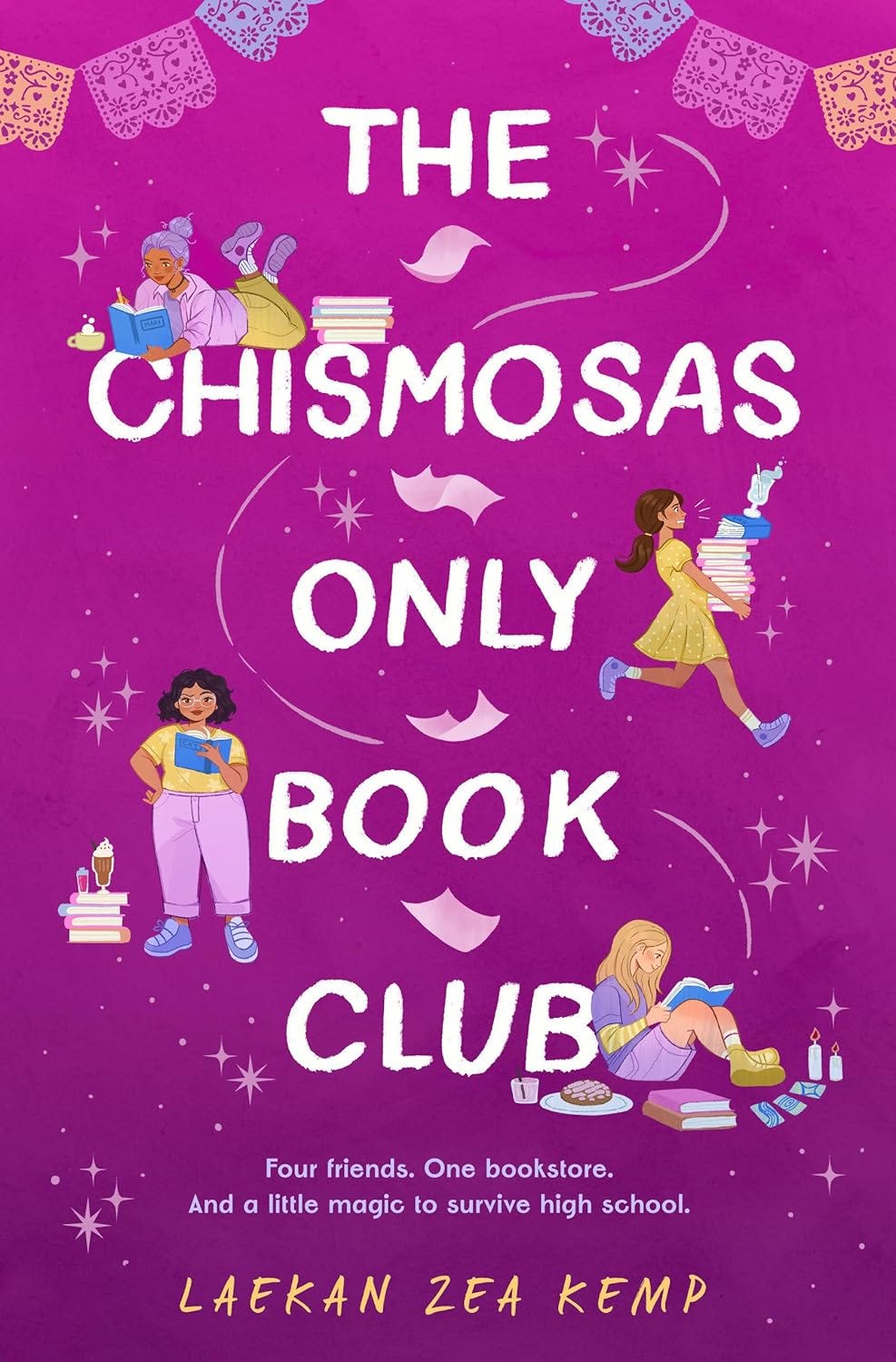
This book follows four best friends—Cat, Sofia, Ana, and Mari—whose bond seems unbreakable. When Cat’s mom calls them chismosas for laughing too loudly at the bookstore, the nickname sticks, and Cat starts the Chismosas Only Book Club to help them stay close as they start high school. Ninth grade isn’t easy, and even their favorite snacks and laughter at Milagro’s Books, founded by Cat’s ancestor, can’t always fix the cracks in their friendship. Maybe the spirit of Milagro herself can help. Full of whimsy and heart, and featuring black-and-white graphic novel chapters, this charming book celebrates friendship, family, and the power of stories to bring people together.
When You Want Something That Shakes You
“Medea Sang Me a Corrido” by Dahlia de la Cerda reimagines Medea as a deity with punk-rock flair, equal parts midwife and gravedigger.
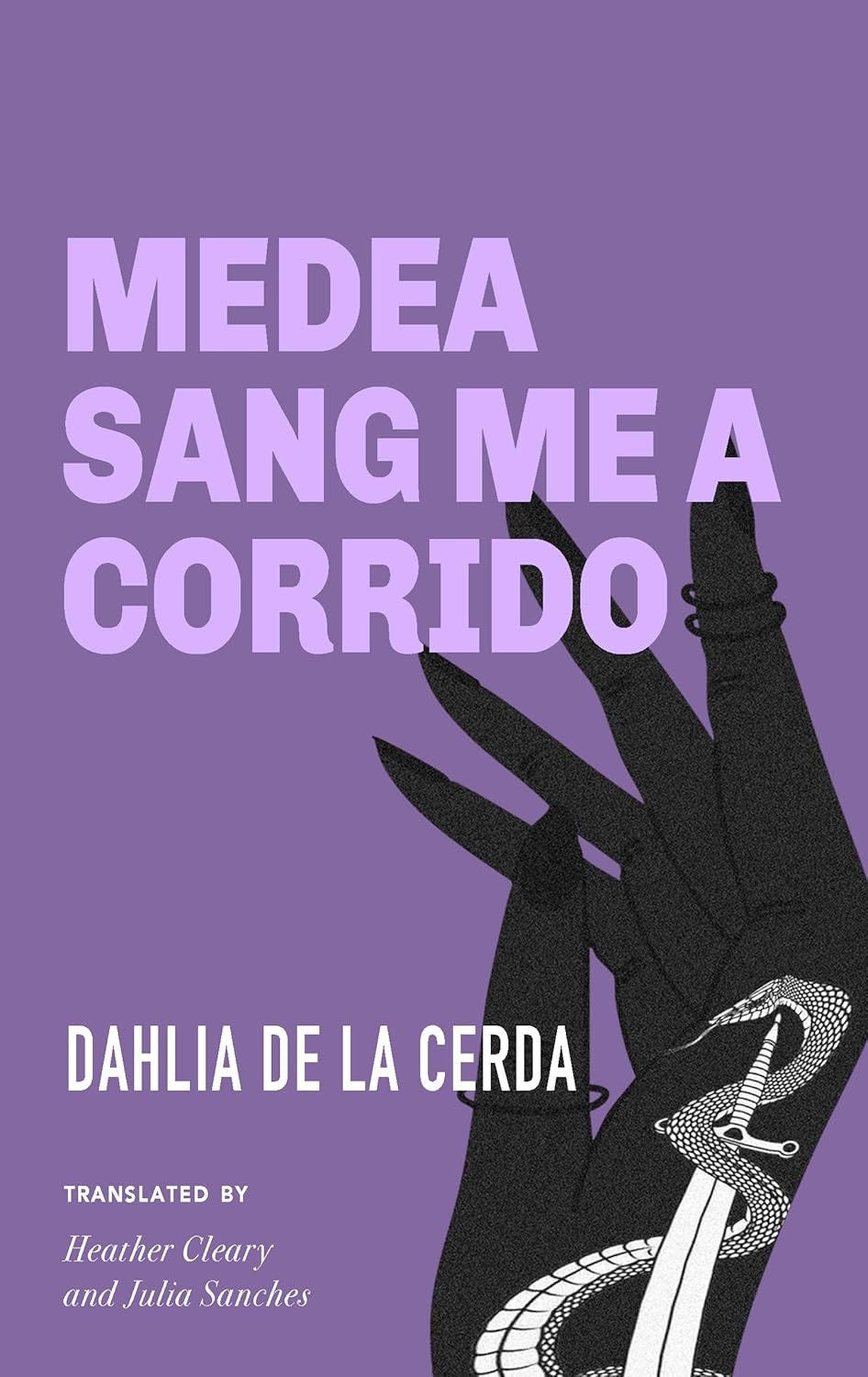
Set in the mythic yet familiar country of Aztlán, where cartel and military violence blur together, Medea helps a trophy girlfriend through an abortion, supports a mother searching for her missing son in the desert, and comforts victims of the state and its wars. De la Cerda’s writing is powerful and introduces a captivating new take on a mythological figure in a harsh world.
Great, more to add to my collection! Thanks for the recommendations:)
Such a great list 💜❤️