

When the Perpetrator Is a Woman: What We Miss About Sexual Violence Between Women
Ruby Rose’s allegation reignited a conversation people avoid: consent, fetishism, and why violence between women is so often minimized or disbelieved.
(This article contains descriptions of sexual violence. Viewer discretion is advised for those who may be triggered.)
When discussing sexual violence, the focus is often on male perpetrators and child abuse, including incest. Female perpetrators are seldom considered. Statistics reflect this trend. According to global data, an estimated 91% of rape and sexual assault victims are female, and 9% are male. Nearly 99% of perpetrators are male.
This does not mean there are no cases of sexual violence involving women as perpetrators and other women as victims. For lesbian women, such incidents do occur, but remain infrequently discussed in public discourse.
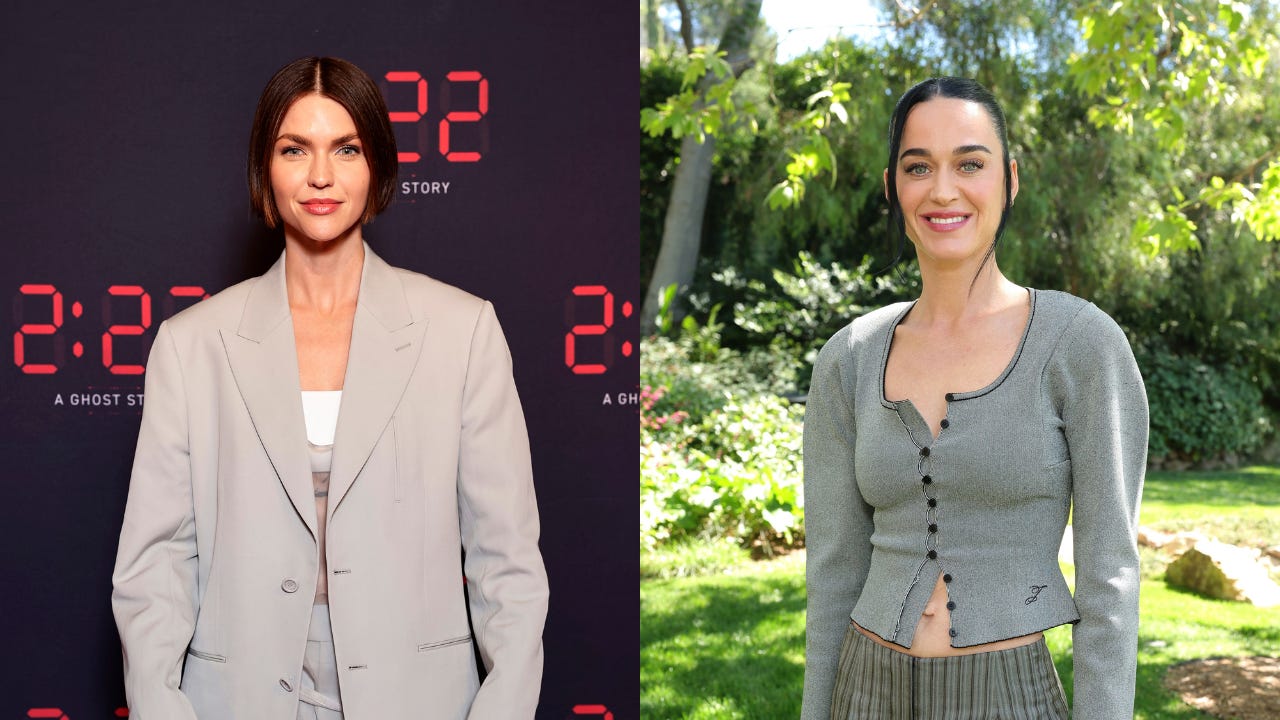
This may contribute to skepticism regarding actress Ruby Rose’s allegations against singer Katy Perry.
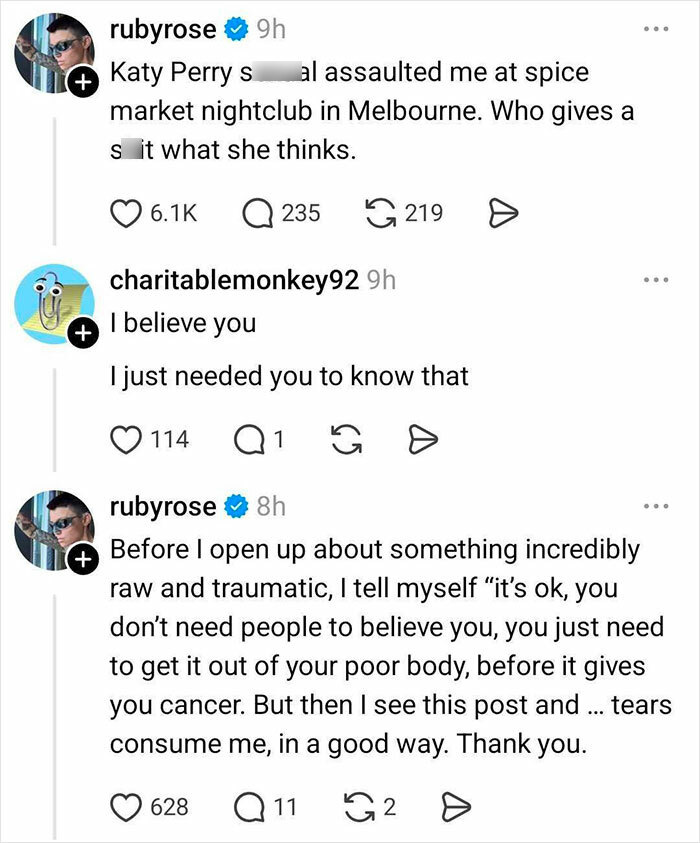
In a Threads post, the “Orange Is the New Black” actress claimed that Katy Perry “sexually assaulted” her at a Melbourne nightclub. Rose responded to a Complex post referencing Katy Perry’s reaction to Justin Bieber’s Coachella set.
“Katy Perry sexually assaulted me at Spice Market nightclub in Melbourne. Who gives a shit what she thinks,” Rose wrote.
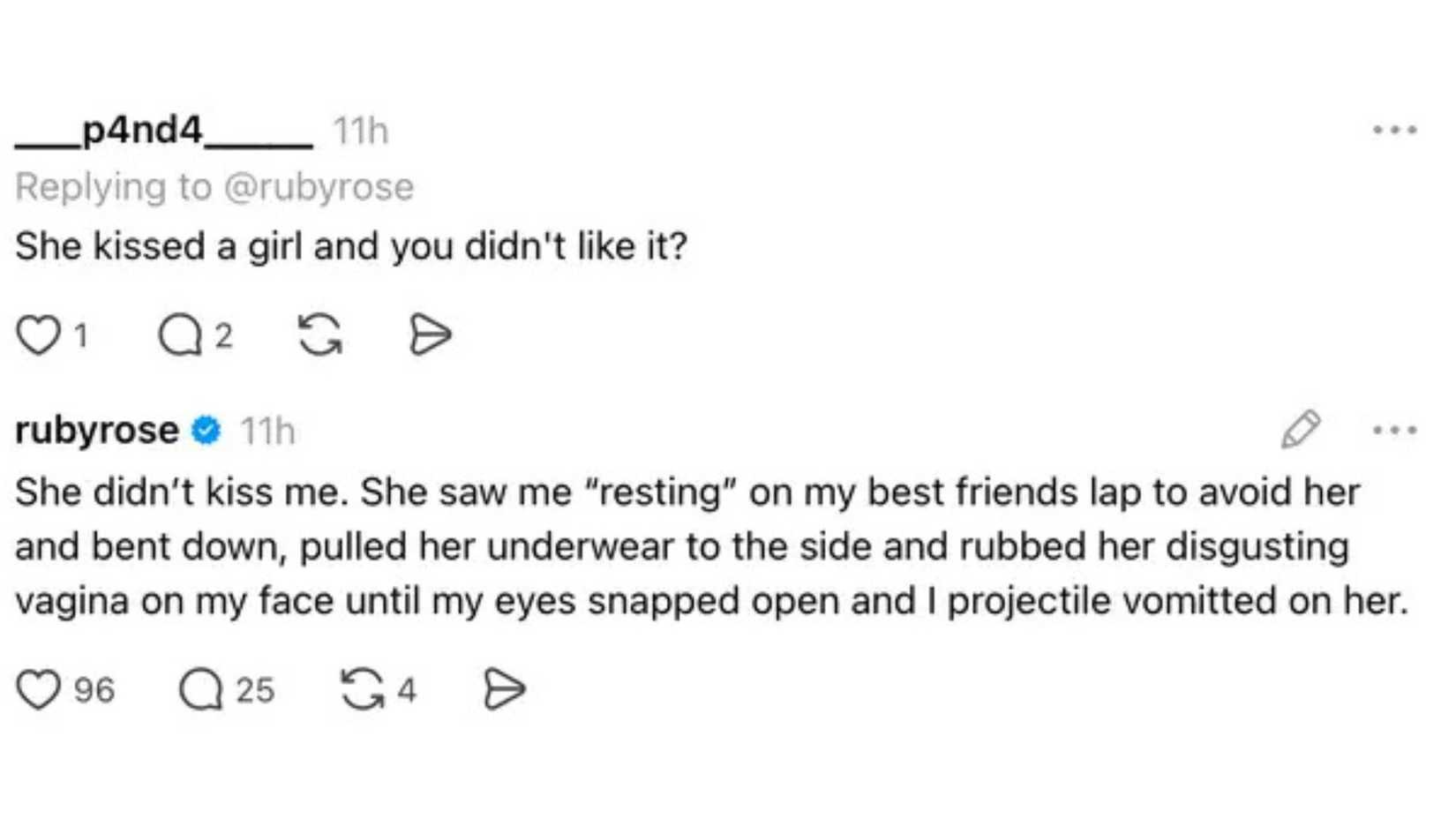
According to Rose, the alleged incident occurred when she was in her twenties. She responded to one fan who asked for details by writing: “She didn’t kiss me. She saw me ‘resting’ on my best friend’s lap to avoid her and bent down, pulled her underwear to the side, and rubbed her disgusting vagina on my face until my eyes snapped open, and I projectile-vomited on her.”
For her part, a representative for Perry responded to the claim in a statement to Variety that reads: “The allegations being circulated on social media by Ruby Rose about Katy Perry are not only categorically false, but they are also dangerous, reckless lies. Ms. Rose has a well-documented history of making serious public allegations on social media against various individuals, claims that have repeatedly been denied by those named.”
The allegations described by Ruby Rose are characterized as an act of sexual assault. “I was only in my early 20s,” Rose stated. “I’m now 40. It has taken almost two decades to say this publicly. Though I am so grateful to have made it long enough to find my voice, it just shows how much of an impact trauma and sexual assault have.”
Immediately, several people jumped in to share their experiences and connect the dots.
A user on Threads shared: When Katy Perry arrived at my queer party (Grouse) in 2010, I posed for a photo with her. I was a bit taken aback when she rested her hand on the top of my pubic bone during the photo. Later that night, a friend came over and complained about being groped… guess who?! Ruby Rose, I was told, was outside, sick, and never came inside. I stand with Ruby.”
Another user shared her experience: after meeting Katy Perry and telling her she did drag, Perry dragged her into her dressing room. “Here’s where it gets even weirder,” the user wrote. “Katy opens a giant road case full of her costumes. She pulls out the banana skirt costume and hands it to me, ordering me to ‘Put this on!’ I’m like, ‘Um, this won’t fit.’ That’s when she starts pulling my shirt off, and I’m starting to feel super uncomfortable. I’m like, ‘STOP,’ but she’s not stopping.”
She looked at Perry’s costume guy, who looked back as if this happened every night. “WTF is even happening right now?” she thought. At that point, Perry’s manager came in and shut it down as Perry began pulling at her jeans.
Although the matter did not escalate, the report suggests a pattern of concerning behavior on Perry’s part regarding consent.
This is another aspect of sexual abuse.
For lesbian women, the discussion around Katy Perry—who has faced criticism for her song “I Kissed A Girl”—is not uncommon.
“This is a familiar story and victim response for lesbians,” a columnist wrote for Lesbian Herstory. “I’ve been flashed, grabbed, humped—you name it—by women attracted to men who assume I would love the attention. I’ve been assaulted by more non-lesbian women than men. In my experience, men say gross things, but women attracted to men are more likely to touch me.”
In a 2024 post, the author discusses the violence behind “lesbian fetishism,” which is what appears to be happening with Ruby Rose.
“Fetishism isn’t always sexual,” the author writes, citing The Cambridge Dictionary, which defines the act of being fetishistic as including “having so much interest in an activity or object that you spend an unreasonable amount of time thinking about it or doing it.”
“Lesbian fetishism involves spiritual fetishism,” the columnist adds. “Worshipping an object believed to possess a spirit or special magical powers; relating to this kind of worship. Instead of accepting lesbians as ordinary people who are a natural part of one’s surroundings, the lesbian fetishist conceals their homophobia by appearing fanatical—dehumanizing lesbians in the process.”
Although Ruby Rose’s case has received increased attention, sexual violence involving women persists as an issue.
For example, studies indicate that lesbian women experience intimate partner violence (IPV) at rates similar to or higher than those reported by heterosexual women. Some research notes that approximately 44% of lesbians report experiencing rape, physical violence, or stalking by a partner in their lifetime. Additionally, 36%–44% of lesbian women report physical violence from a partner, though many cases may go unreported due to stigma or fear of discrimination.
Similarly, studies suggest that between one in three and one in four lesbians have experienced sexual assault by a woman. Additionally, up to 60% of lesbian women report sexual violence involving physical contact. These rates are similar to or higher than those reported by heterosexual women.
Why are these numbers not widely recognized?
The simplest answer: people believe abuse among women isn’t as serious. A more comprehensive answer involves social stigma. Lesbian women often face discrimination by law enforcement, fear of coming out, internalized homophobia, and other factors.
In fact, there are higher health risks among lesbian women due to mistrust of healthcare providers.
In the end, it’s the same pattern.
Whether discussing Ruby Rose or other individuals, narratives involving sexual violence often reflect complex interpersonal power dynamics and perceptions of control. These narratives can also challenge how individuals recognize the rights and humanity of others.
It is also the appropriation of masculine codes of violence, to which many women—whether they are Katy Perry or not—adhere as a form of complicity with the aggressor.
Finally, to speak of sexual violence without addressing all the spheres in which it manifests is to fall into complacent omission. And in doing so, to collaborate with the erasure of patterns that continue to repeat themselves over and over again.