

This Mentoring Program is Showing What Happens When Mentors Actually Look Like You
Inside L.O.V.E. Mentoring Program's 14-year mission to transform young women's futures.
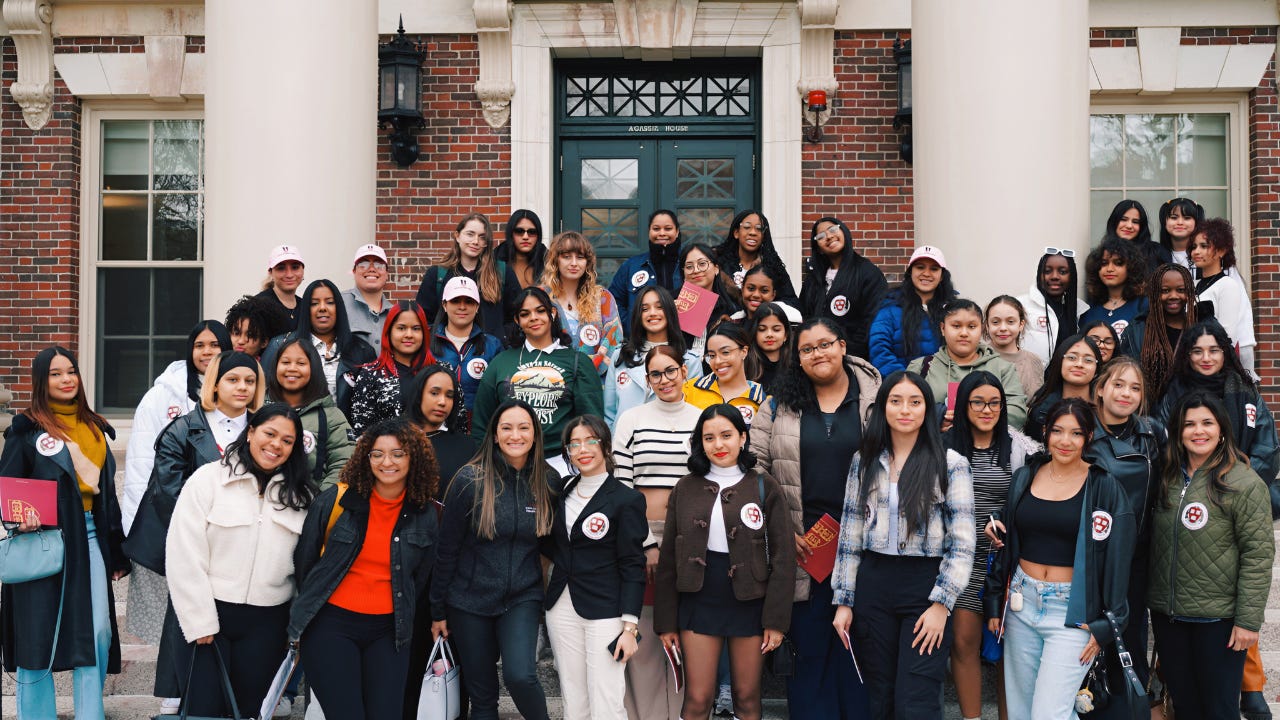
When she immigrated at thirteen, she barely spoke English. Her quietness could have meant many things: homesickness, fear, or just being tired from translating everything. When she started at The Young Women’s Leadership School of East Harlem and joined the L.O.V.E. Mentoring Program as a freshman, she had no idea what to expect. She only knew she felt overwhelmed.
Years later, she stood at the podium during L.O.V.E.’s 10th Anniversary Gala and shared what it meant to see herself in her mentors. These were women who had also immigrated and understood what it was like to move between home and school. They had gone to college and showed her it was possible. She spoke about feeling comfortable, supported, and understood, words that might sound like a cliché unless you remember what it’s like to be thirteen, far from home, and unsure if you belong.
All of this was possible because of Claudia Espinosa.
In 2009, Espinosa worked as an intake counselor at a suicide prevention program. The job was tough. She met young Latinas, brilliant, capable, and full of potential, who struggled with depression and thoughts of suicide. But underneath these struggles, she noticed something else: a gap. It wasn’t a lack of intelligence or ambition, but a lack of role models. There weren’t enough people who looked like them, who had lived similar lives, and who could say, “I made it. You can too.”
So she got to work. She started L.O.V.E. as a pilot project at New York University in spring 2012. By fall, the program found a home at The Young Women’s Leadership School of East Harlem, where it could truly reach young women and offer them mentorship.
As Claudia shared, she recognized the importance of building strong support and empowerment systems, particularly through meaningful relationships with relatable role models.
Fourteen years later, L.O.V.E. has brought in over 300 volunteer mentors, many of whom are Latina and first-generation college students from New York City. The program has reached over 100 schools across Queens, Brooklyn, the Bronx, and Manhattan. It has helped more than 4,000 young women, including that once-shy 13-year-old who left the program confident and believing her future had no limits.
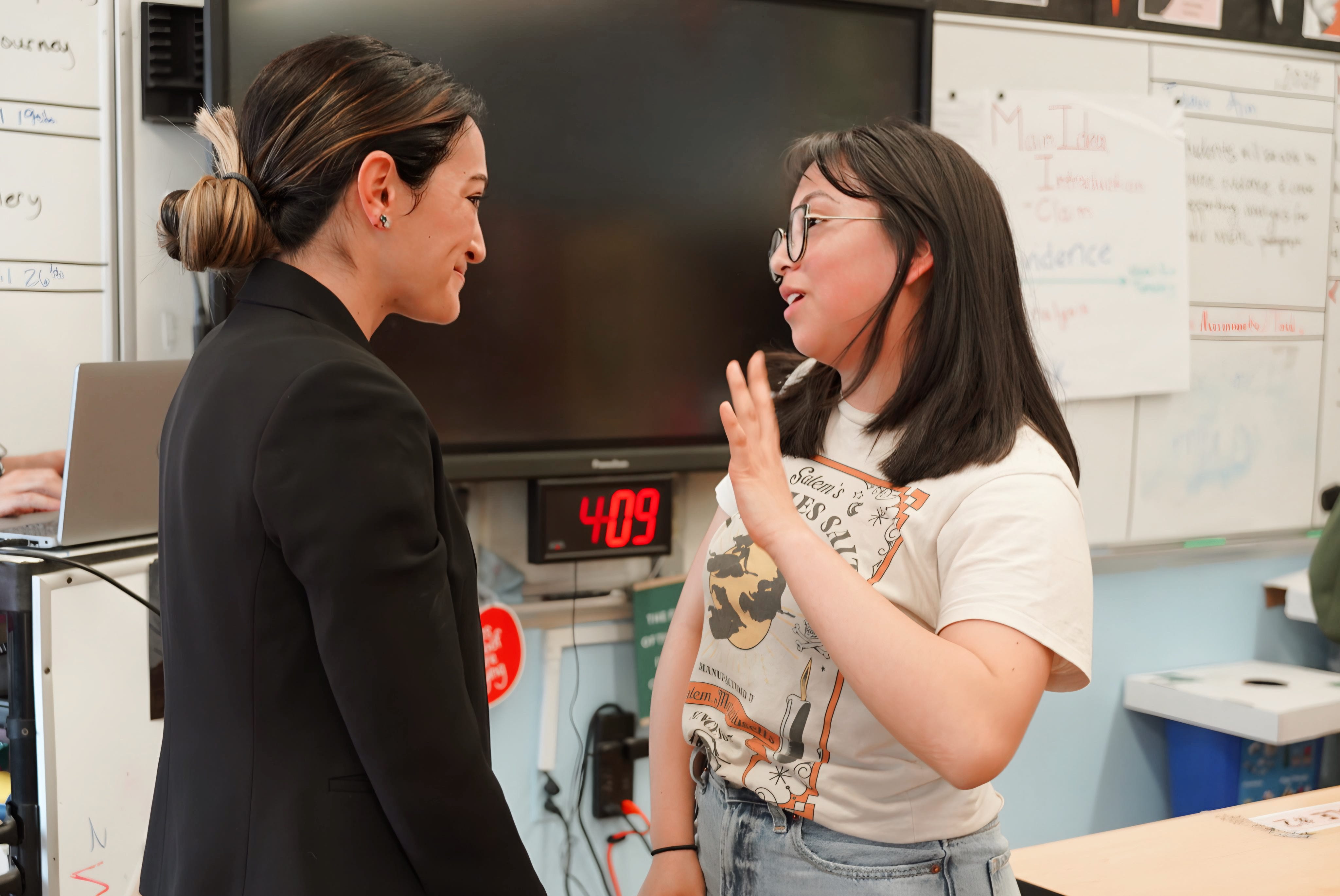
What sets L.O.V.E. apart and makes it effective is that it is built on shared lived experiences.
“Shared experiences foster relatability, helping build connection, belonging, and mutual support,” Claudia explains.
The program creates an inclusive environment where young women form meaningful relationships with mentors who understand their lived experiences. Many mentors share similar backgrounds, including being first-generation college students from New York City, which allows for deeper connections and ensures that guidance is both relevant and impactful.
“For young women who may lack role models in higher education or professional spaces, these relationships can be transformative,” Claudia notes. “Seeing mentors who reflect their identities, experiences, and aspirations empowers mentees to believe in their own potential and envision a path forward.”
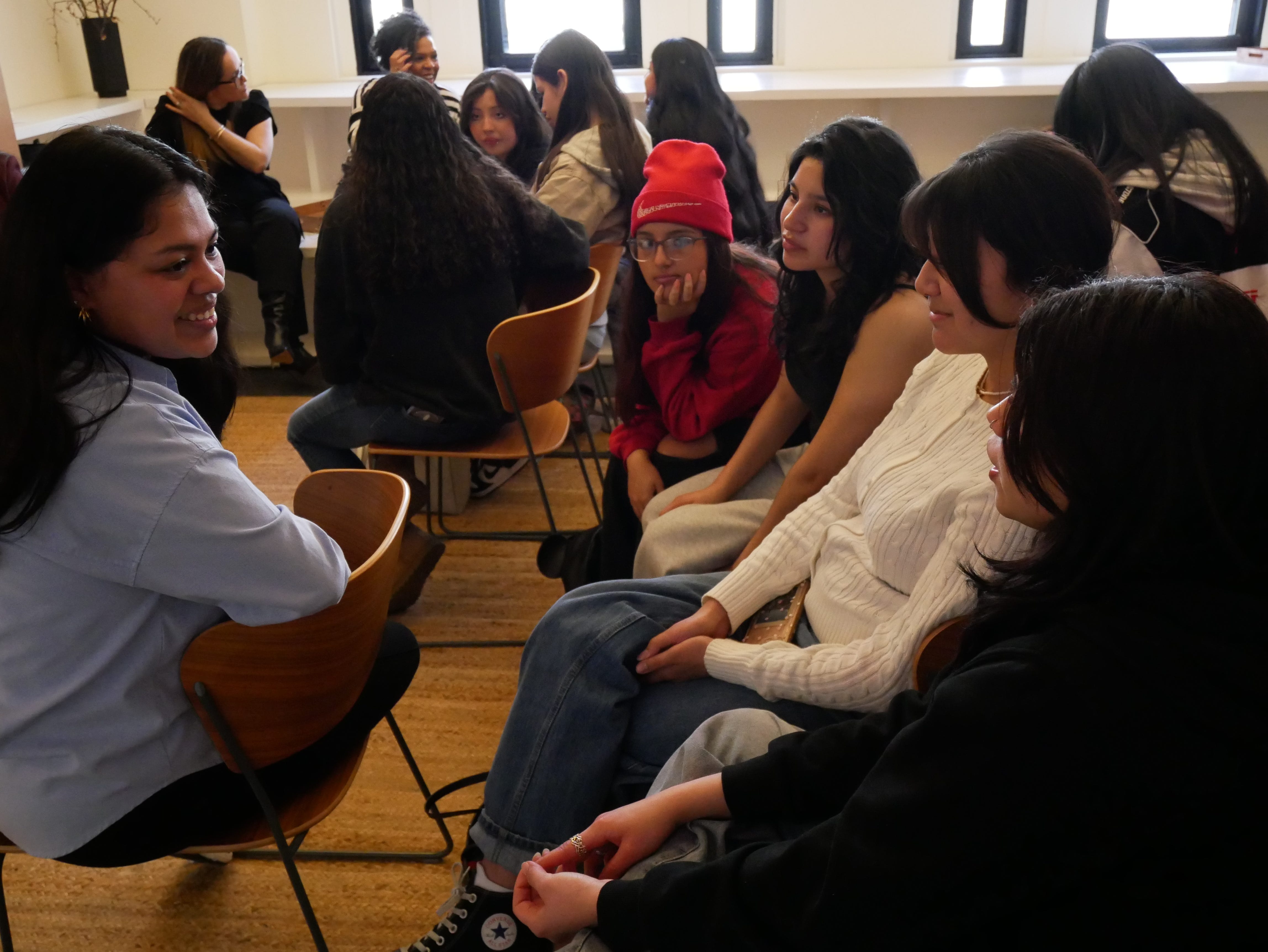
This is the quiet revolution behind the work. It’s not just telling young women they can succeed. It’s showing them women who already have.
The mentee who immigrated at thirteen went on to study Business Administration at Baruch College. She returned to share her story. For a girl in the audience, this example might’ve spoken volumes.
At L.O.V.E., every week counts. Students take part in social-emotional learning, health education, and mentorship. They discuss college access and financial aid, learn about healthy relationships and personal safety, and visit colleges. Through all of this, something changes for them.
“We know this work is effective when students begin to shift how they see themselves,” Claudia says. “They move from uncertainty to clarity, from hesitation to active participation, and from limited expectations to a stronger belief in their ability to succeed.”
Alumni say it themselves: they started college knowing how to set goals. They found a sense of community. They realized their futures weren’t just about luck—they were possible, achievable, and truly theirs.

But the reality for organizations doing important work is that they need more support.
The young women L.O.V.E. supports face many challenges. And what they need is real, ongoing, and culturally responsive care.
Schools are asking L.O.V.E. to expand. It has become clear that more girls and more communities need this support. But growing the program requires funding.
“To deepen our impact in New York City and beyond, L.O.V.E. requires sustained investment, increased visibility, and strategic partnerships,” Claudia says. They need funding to grow, but they also need people to understand their work so that new opportunities—like partnerships, funders, and communities—can help bring this model to more places.
Because the girl who immigrated at thirteen, the one who became a keynote speaker, is not just a statistic. She is someone who was seen and believed in. Someone who was told by a mentor who shared her background that her future was worth investing in.
That’s what L.O.V.E. does. And New York City, and honestly, the whole world, needs more programs like this.