

The Skimpy Summer Trend Is One We’re Actually Happy to Jump On
Why this summer's swimwear trend is less about exposure and more about who gets to decide what women's bodies can wear.
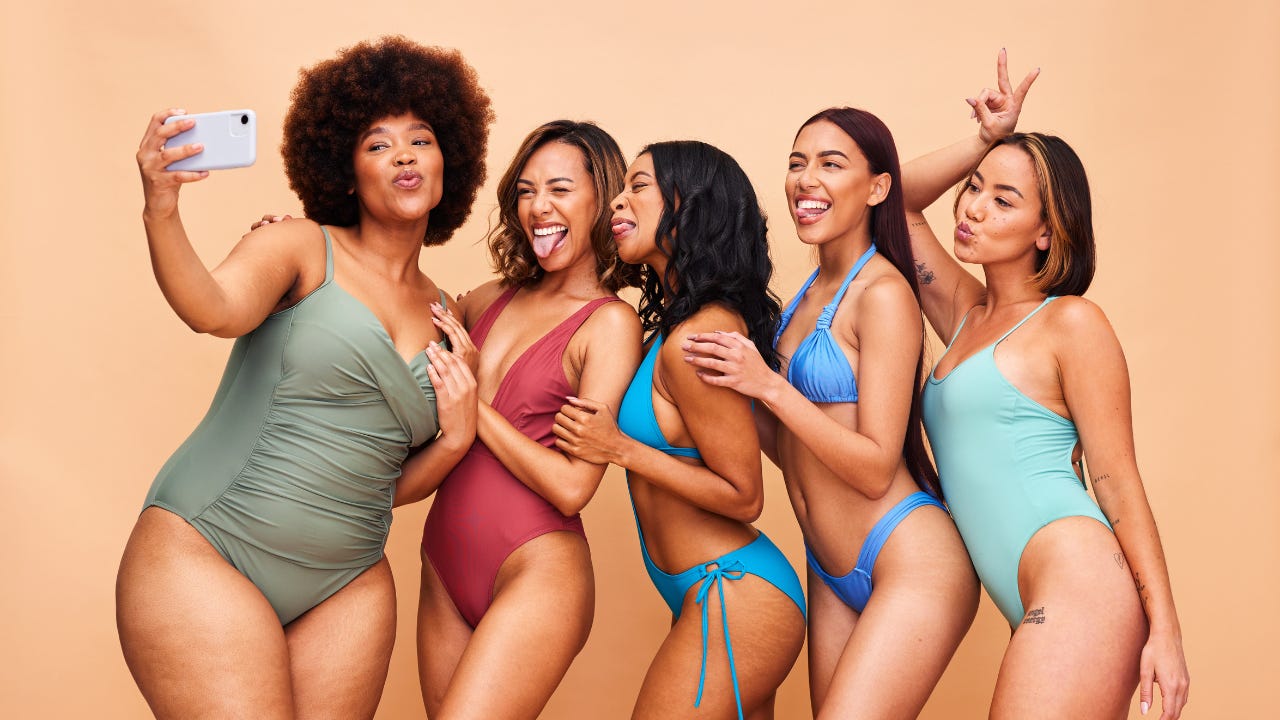
This summer, women of all ages are wearing swimwear that would have felt scandalous five years ago. And they are doing so unapologetically.
The skimpy bikini boom is real. And it’s not about exposure.
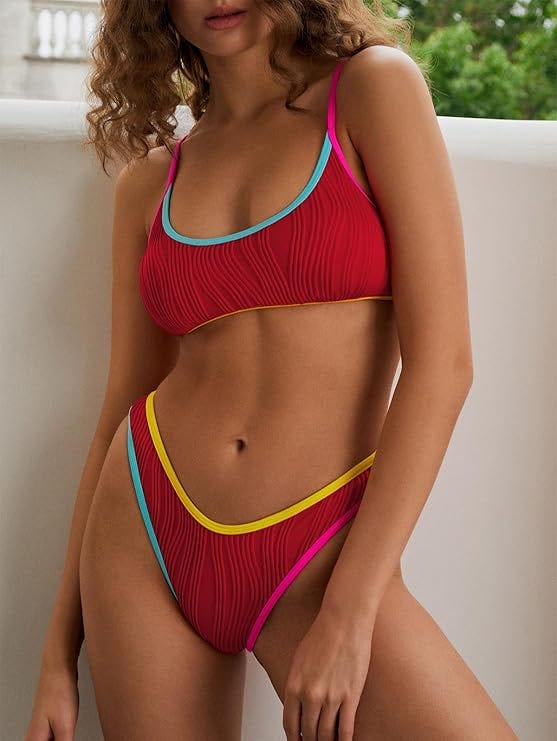
The skimpy swimwear trend—from thong bikinis to micro cuts to strategic cutouts—is a quiet revolt happening in plain sight. Women are saying, “This is my body. I’m comfortable in it. I’m going to wear what makes me feel good.” And we want in.
The Shift From “Flattering” to “I Feel Good”
For decades, women were told that certain bodies could wear certain things. The constant argument was to prioritize looking “flattering,” which really meant minimizing your flaws, hiding your “problem areas,” and making yourself smaller.
Fortunately, that word is basically dead now, and we owe it all to Gen Z.
We’ve moved into what Shaun Cole, an associate professor of fashion at the University of Southampton, calls “another age of body consciousness—a much more expressive moment.” People are saying, as he puts it: “It’s my body, and I can show it off in ways that I choose to.”
This is to say, instead of conforming to one ideal, we are collectively rejecting the idea that there’s only one ideal in the first place.
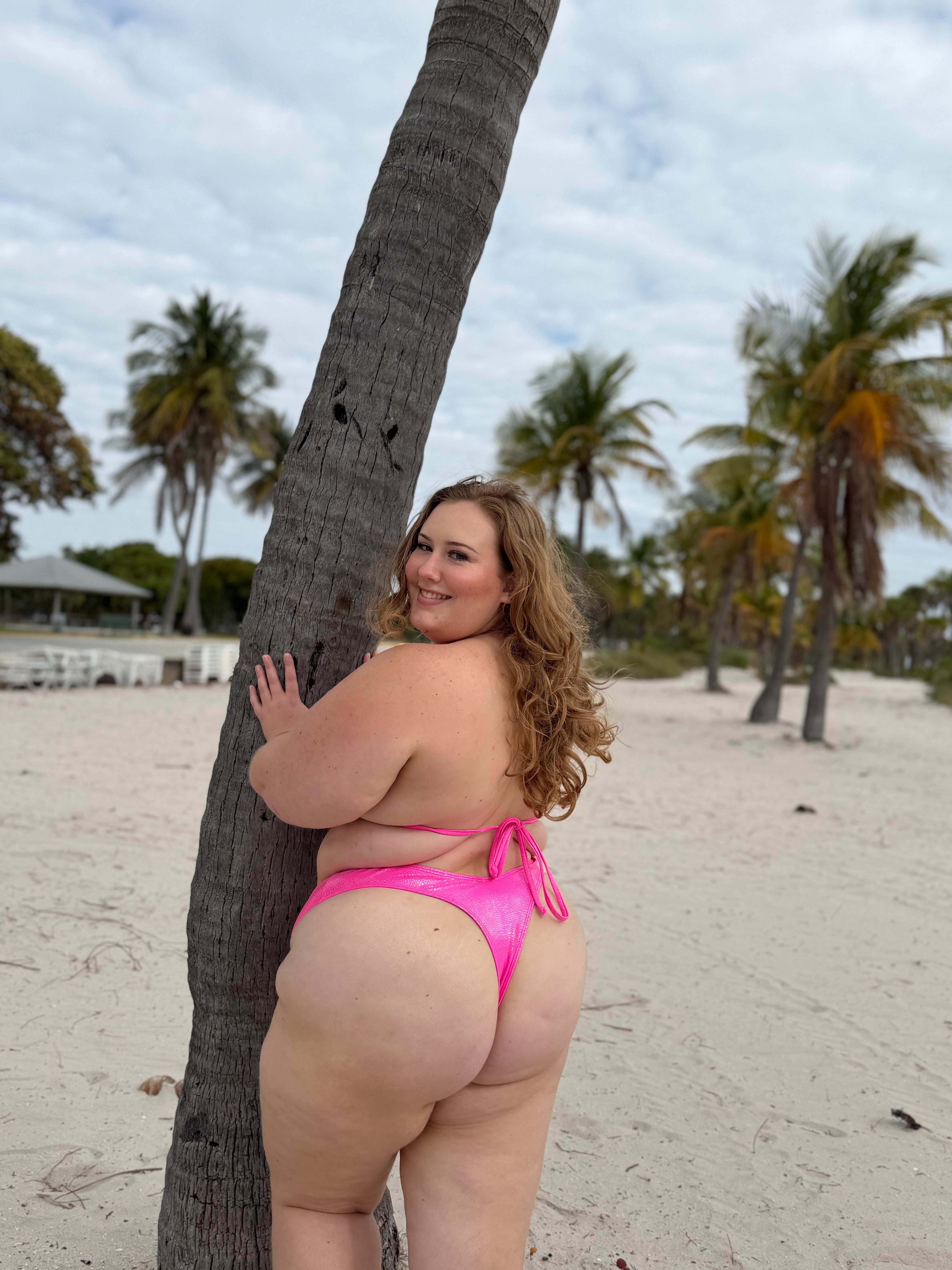
Women of all shapes and sizes are embracing bolder cuts with real confidence, bypassing the marketing brainwashing and throwing other people’s opinions out the window.
What Changed, Exactly?
Three things, to be exact.
First, the fitness obsession with glutes shifted the cultural conversation about bodies. For years, the fitness industry sold flat abs and thin thighs. Now it’s sculpting, building, and celebrating the posterior. So when women went to the gym and built the bodies they wanted, the image in their heads finally matched the one in the mirror.
Second, Gen Z arrived and refused to play the game. This generation is fundamentally less interested in the concept of being “flattering.” They’re not interested in dieting their bodies into clothes but in finding clothes—or wearing no clothes—that celebrate who they actually are. The phrase “that’s not flattering” will earn you a side-eye, and rightfully so. Because the response is basically: “So what? I like how I look anyway.”
Third, the internet finally did something right when it comes to body standards. Social media gave women a way to see other women wearing bold swimwear. Not models. Real women. Women with stretch marks and cellulite, and bodies that don’t fit into the narrow bandwidth of magazines that are still stuck on the ultra-skinny model. When you see 500 women on TikTok confidently wearing a thong bikini, it stops feeling scandalous and starts feeling normal.
Add e-commerce into the mix, and suddenly you could actually buy these things without explaining yourself to a store clerk, if that’s your pet peeve. You could try them at home, read reviews from real bodies like yours, and make a choice based on what you really want.
The Trend Itself: What’s Actually Happening
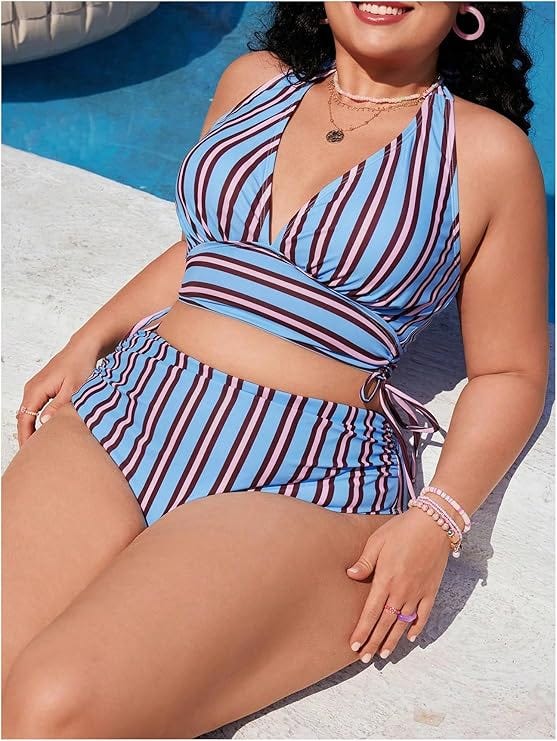
The skimpy summer aesthetic has several key silhouettes, and the important thing to understand is that none of them are new. What’s new is that they’re now being featured side by side, as a beautiful spectrum of choices.
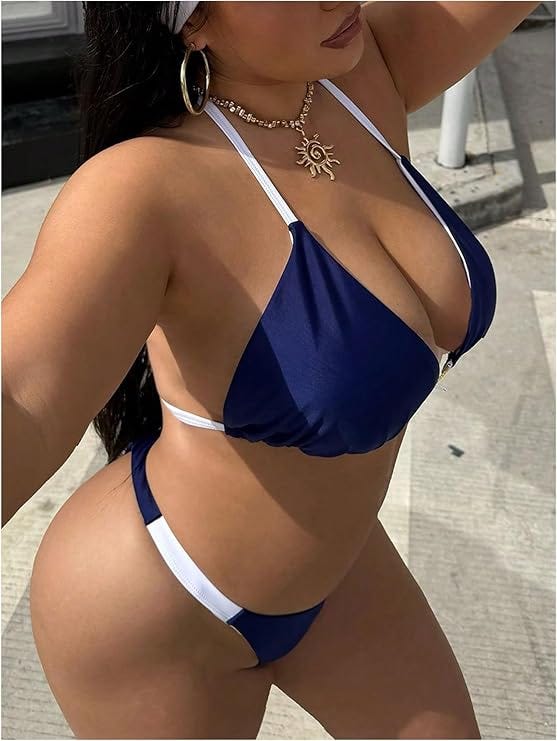
The micro bikini—the one that’s basically string and triangles—has been around since the 1960s, influenced by Brazilian beachwear. However, for decades, it was considered extreme, reserved for celebrities and people with specific body types. Now it’s mainstream, showing up everywhere from Miami Swim Week runways to ecommerce platforms.
The thong bikini (or what’s sometimes called the cheeky cut or dental floss style) used to be the ultimate goal for many, if and when you achieved that body. Now, you see it on everybody and every brand. From high-street retailers to luxury brands, fashion insiders note that thong styles are being marketed more diversely than ever before. Women of all shapes and sizes are leaning into this cut, and the industry is finally catching up.
Then there’s the ‘90s minimalist wave—sleek, clean-lined one-pieces and two-pieces in neutral colors like mocha, black, and white that feel almost like shapewear with contoured lines. This one is interesting because it bridges the gap between “revealing” and “elevated.” You can look like you walked off a runway and also feel completely yourself.
The cutout situation deserves its own mention. Strategic cutouts on bikinis and one-pieces—asymmetrical, at the sides, on the back, defining the waist—are everywhere.
The Shift Is About Comfort and Self-Determination
When you wear a swimsuit you actually like—one that fits your body, celebrates it, makes you feel confident—you wear it more. You walk from the towel to the shore with an unknown yet liberating confidence. You’re simply not spending mental energy worrying about coverage or how you look from certain angles. And, God, does that feel good!
For decades, women’s relationship to their bodies in public was mediated by shame, the male gaze, and respectability politics. The idea that showing your body meant you were asking for something or deserving something. And we are finally free.
Body positivity—the real version, not the Instagram version—is about the radical acceptance that all bodies are worthy of taking up space, of comfort. All bodies deserve clothes that fit them, celebrate them, and make them feel good.
According to research on India’s fashion ecommerce market, which is expanding rapidly and seeing significant growth in inclusive sizing options, curve-friendly fashion has exploded as women realized they didn’t have to wait for permission. They could just buy a swimsuit that worked for them.
The shift toward extended sizing, diverse marketing, and designs that work with bodies rather than against them is evidence of what would happen if marketing actually paid attention to what people want, not to what certain powerful interests want to see out there.
And we are here for it.