

She Proposed at the World Cup and the Comment Section Had a Full Fragile Masculinity Meltdown
Only 2% of women propose to men, and 70% of men say they would welcome it. The math has never added up. Why?
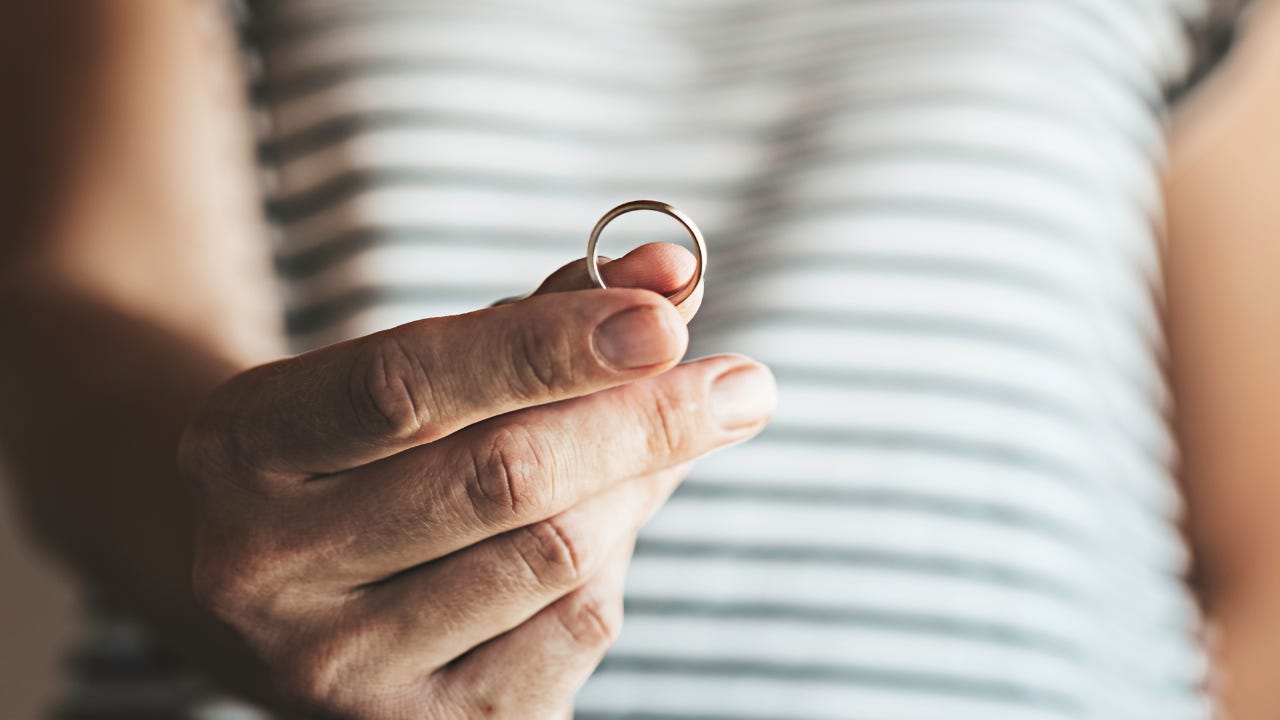
She turned around in the stands at Kansas City Stadium on June 26, got down on one knee, and asked the man she loved to marry her. He was somewhat distracted, but said yes. The crowd around them erupted. The internet, however, did not.
The moment came during the Netherlands versus Tunisia 2026 FIFA World Cup group-stage match and was captured on video and shared across social media. In a stadium full of cheering fans, the proposal drew applause from the people immediately surrounding the couple. Then it traveled online, where men with very tender egos found it deeply troubling.

The jokes wrote themselves. The comments filled up. And a woman’s decision to propose to the person she wanted to spend her life with became, somehow, a topic of national debate.
Let’s have that debate, shall we?
Only 2% of Women Propose to Men, and That Number Says Everything
According to a survey by wedding platform Zola, only 2 percent of heterosexual women propose to men. A 2017 survey by The Knot found an even smaller share, just 61 proposals out of 12,657 brides surveyed. For a generation that overwhelmingly considers itself equal to its partner, that gap demands an explanation.
Zola’s own survey found that 77 percent of straight-identifying women had never even thought to propose, even though 98 percent viewed themselves as completely equal to their partner, according to Rachel Jarrett, President and COO of Zola. Thirty-six percent said the man is just “supposed to propose.” 16% worried that a proposal might wound their partner’s ego. 14% said they were ready to commit but were still waiting for confirmation in the form of a ring.
“Why are women and men who fight for equality in all other aspects of their lives clinging to a tradition that inherently does not put them on equal footing?” Jarrett wrote in an essay for Zola.
It is a fair question.
The Tradition Has Roots That Have Nothing to Do With Romance
The reason the proposal has historically been the man’s job has nothing to do with sentiment. When the modern institution of marriage took shape, men were the sole financial providers, and a marriage proposal was also an economic proposition. The person controlling the resources made the offer. Women across much of Western history had no independent financial standing.
It is worth remembering that in the United States, women could not get a credit card in their own name until less than 50 years ago. While the economics changed, the ritual took centuries to follow.
Rosemary Hopcroft, professor emeritus of sociology at the University of North Carolina, Charlotte, explained the tradition’s staying power to Time magazine. “There’s a psychological and emotional reason why women still want their husbands to provide, and that doesn’t seem to have changed,” she said. “It’s obviously not rational. There is no need for it. But we’re not just rational actors. We’re emotional.”
That honesty matters. Tradition does not have to be rational to feel real. What it cannot do is go unexamined forever.
Most Men Would Actually Love to Be Proposed To
Here is the part the fragile-ego commenters missed: most men are not opposed to being proposed to. A Glamour survey of 500 men found that 70 percent would be “psyched” if a woman proposed, according to Hi Holden. Match.com’s seventh annual Singles in America study found that 95 percent of men said they would welcome women making the first move, according to Hi Holden.
Elizabeth Taylor proposed to the British actor Michael Wilding in 1952, and Diane Von Furstenberg and Judge Judy also proposed to their respective partners, according to Hi Holden. None of them appears to have suffered for it.
In a Reddit thread on the topic, one commenter described his experience directly: “My wife proposed to me, it was terrific, she surprised the heck out of me even though we had discussed marriage in the months prior.” Another said he would have been flattered if his partner had proposed to him during their five years together before he eventually asked her. The men who said they would feel uncomfortable were not hard to find in the thread either. But neither were the ones who said they would welcome it.
“Of course, a woman can propose to a man,” said Tina B. Tessina, a psychotherapist who has been counseling couples for four decades, in an interview with Clarity.
There Is No Single Script for a Relationship That Works
This is the actual point.
And relationship expert Adina Mahalli, MSW, agrees: “Authenticity, creativity, and a show of love are the basic requirements for a proposal. Where you go from there is up to you, regardless of your gender.”
Some couples want the grand gesture. Some want a quiet conversation over breakfast. Some men have spent years envisioning their own proposal and want to be the one to ask. Others are waiting for someone to relieve them of the pressure of performing a ritual they never asked to carry alone. Some couples propose together, buy the ring together, agree first, and announce second. Some skip the whole production entirely and simply decide.
None of these is wrong. The problem only emerges when one version of a proposal gets treated as the only legitimate one, and when a woman who acts outside that script becomes the subject of ridicule from people who have nothing to do with her relationship.
Ariel Meadow Stallings, founder of Offbeat Bride, told Refinery29 that LGBTQ+ couples have been the ones to push tradition forward, often out of necessity. “When you see your gay brother get proposed to by his longtime boyfriend, and then your lesbian BFF proposes to her girlfriend, I think it starts to rattle the cage of tradition and gender norms about who’s supposed to propose,” she said.