

Karla Montalván on Grief, Art, and the Book She Didn’t Know She Was Writing
Montalván opens up about the loss that reframed her draft and the emotional architecture of her debut novel, "The Sun and All the Other Stars."

Writing a novel is a test of discipline and patience. Juggling multiple deadlines while also managing a personal life and family is demanding. Yet, in the end, a finished product is something to be so proud of. That is what Karla Montalván is feeling these days. She can now call herself a published author with the release of her debut novel, “The Sun and All the Other Stars.” The book took two years to complete, and the journey there was as exciting as the finished product.
“The Sun and All the Other Stars” by Karla Montalván was inspired by a moment in her life.
“The Sun and All the Other Stars” is a love story, but not a romance. Better yet, it is inspired by reality. In an interview with FIERCE by mitú, Montalván opened up about her debut novel, the inspiration for the story, and the journey in her personal life that led to its completion. It was after her 30th birthday and freshly laid off that Montalván found herself looking for her next chapter in 2024. After a birthday road trip from Madrid to Milan, Montalván started on a novel, an endeavor she has always wanted to pursue. The original manuscript, however, wasn’t “The Sun and all the Other Stars.”
That year, a friend of hers made a goal of finding a boyfriend and roped Montalván into it. The friend convinced her to download Bumble Premium, and she matched with a man in Florence, Italy. The two first connected over going to the same college, The University of North Carolina at Chapel Hill.
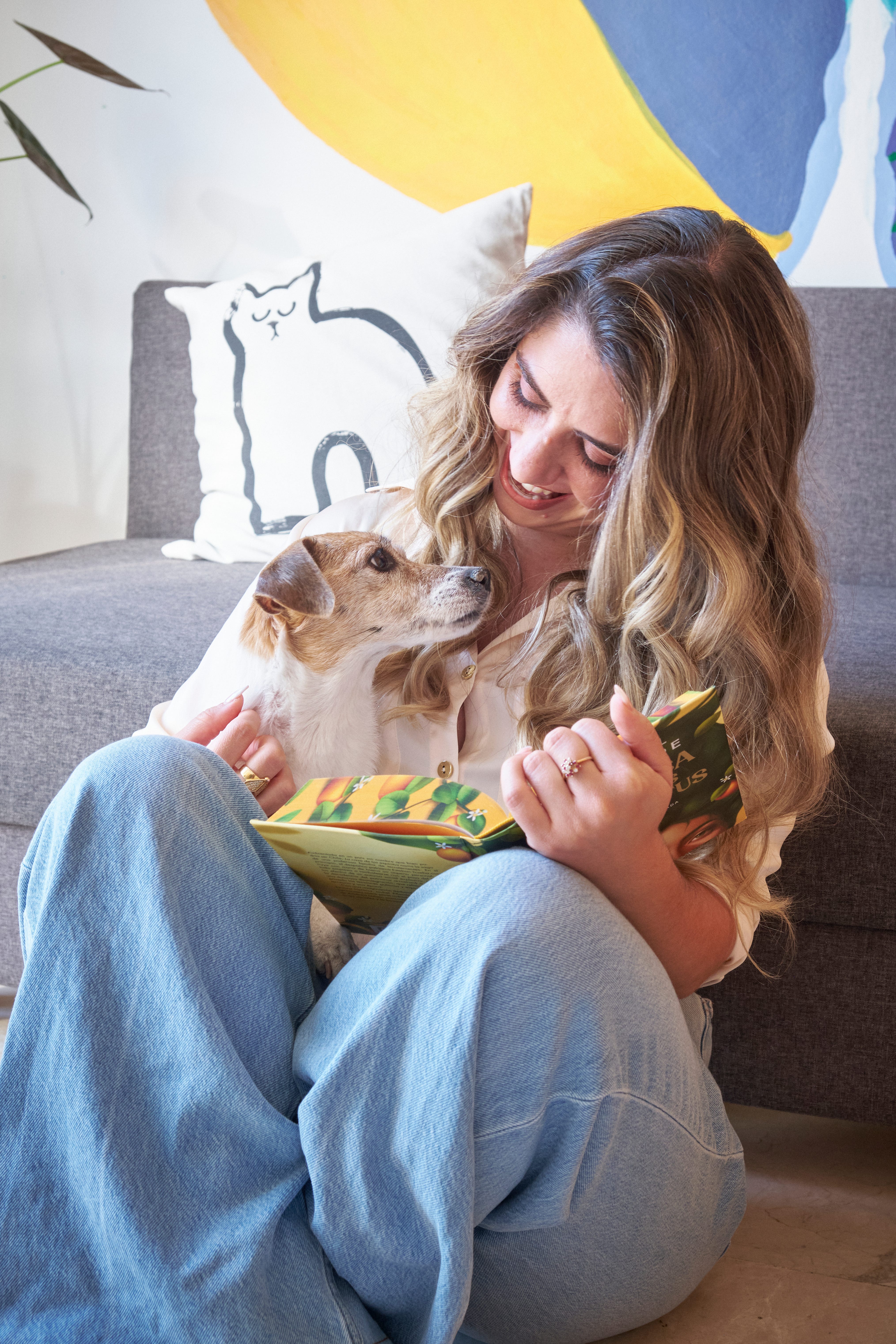
The conversation then moved to social media, and they made a plan to meet in Florence.
“Actually, when we met, it felt like we had known each other for a really long time. Like, you know, one of those things where you meet somebody and it feels like you’ve known them forever,” Montalván recalls. “We had a really good time. But then the last day, the day that I was meant to leave, when I got to the airport, my flight was cancelled.”
Unfortunately, her date had plans that day, so she was left alone in the city without a companion. Yet being there and experiencing the moments together with her Bumble date inspired her.
“I walked the entire city, but I was feeling this crazy nostalgia, like this really deep sadness,” Montalván remembers. “Then this idea started to come to me of one of the characters whose name is Beatrice. Just this girl in the Renaissance period who was a painter. She was like a hidden painter. I bought a notebook, and I just started writing [in it.] I wrote the first chapter of the book, which is now not the first chapter, but the idea came to me, and then it just kind of flowed, and I remember I couldn’t stop crying.”

For Montalván, the book was a chance to craft a character she’s never seen.
The main character of the book is Marisol, the daughter of Cuban immigrants. However, she didn’t want Marisol to go through the often-told experience for children of immigrants. One that is beholden to the same trials and tribulations of paying back their family’s sacrifices at the expense of her own joy. She also wanted to create more Cuban stories that didn’t center on the revolution and its hardships.
“I myself, as a Cuban, have struggled a lot. But I didn’t want to have a character who was centered on that,” Montalván says. “I wanted to have a character that was a product of immigration that came here, but that now wanted to forge her own path.”
Instead of following the same journey of falling in love within the community and living near home, Marisol spreads her wings and determines her own destiny.
“However, I wanted her to have been born in the States, and then she chose to migrate to Madrid, right? So, she chooses to leave the place that her family has had to establish themselves in and that they have chosen to live in because of need,” Montalván explains. “I have her choose to live in another city because she wants to, because she likes it. So she later immigrates because she wants to see what’s there. I want to explore immigration from a different vantage point and [...] from a vantage point of prosperity.”
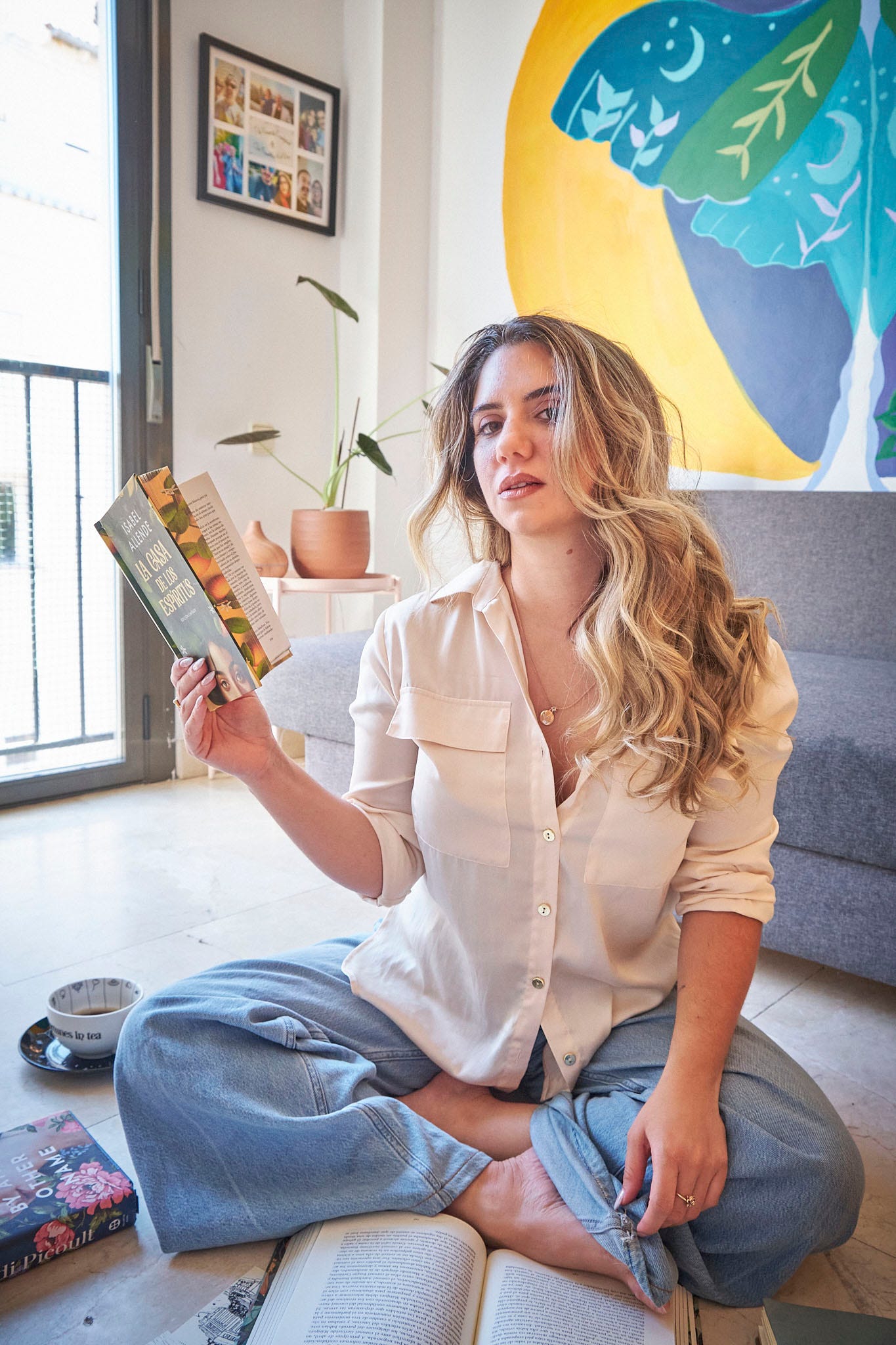
Like all art, Karla Montalván created “The Sun and All the Other Stars” while living her own life.
Any novelist will let you know that the process of writing a book takes years. Between the first draft, edits, additional drafts, reframing, digging deeper, and creating a finished product. Some advice Montalván got early in the process that helped was to just write. Get it on paper and edit it later. During that time, life is happening in the background. For the writer, it was no different. It all came into clearer focus when her editor gave her insight into each character’s emotional state.
“When my editor gave it back to me, she said, ‘I don’t know if you’ve noticed, but your characters are all going through the different stages of grief,’” Montalván explains. “I wrote the book in one period of my life, right? Then I edited the book at another point in my life. And in that period, I was grieving because I had just had a miscarriage. I actually got the manuscript back the day that I found out that I was miscarrying.”
Through her own grief, Montalván saw the book’s structure differently because of her life experience. Without meaning to, she created multiple storylines about grief and sadness, set against a backdrop of love and romance. Additionally, the characters, like the author, were grappling with the human experience of life being different from the expectations they each had for themselves.
“I think that is something that we all struggle with; the life that we wanted and the life that we have, or is presented to us. There’s not really one path of way of living,” Montalván says. “That was the story that I needed to tell, and I think that was the message that I needed to tell. When you have to tell a story, that story will push you there, I mean, the book is very esoteric in that sense of energy and like finding your destiny and your path.”
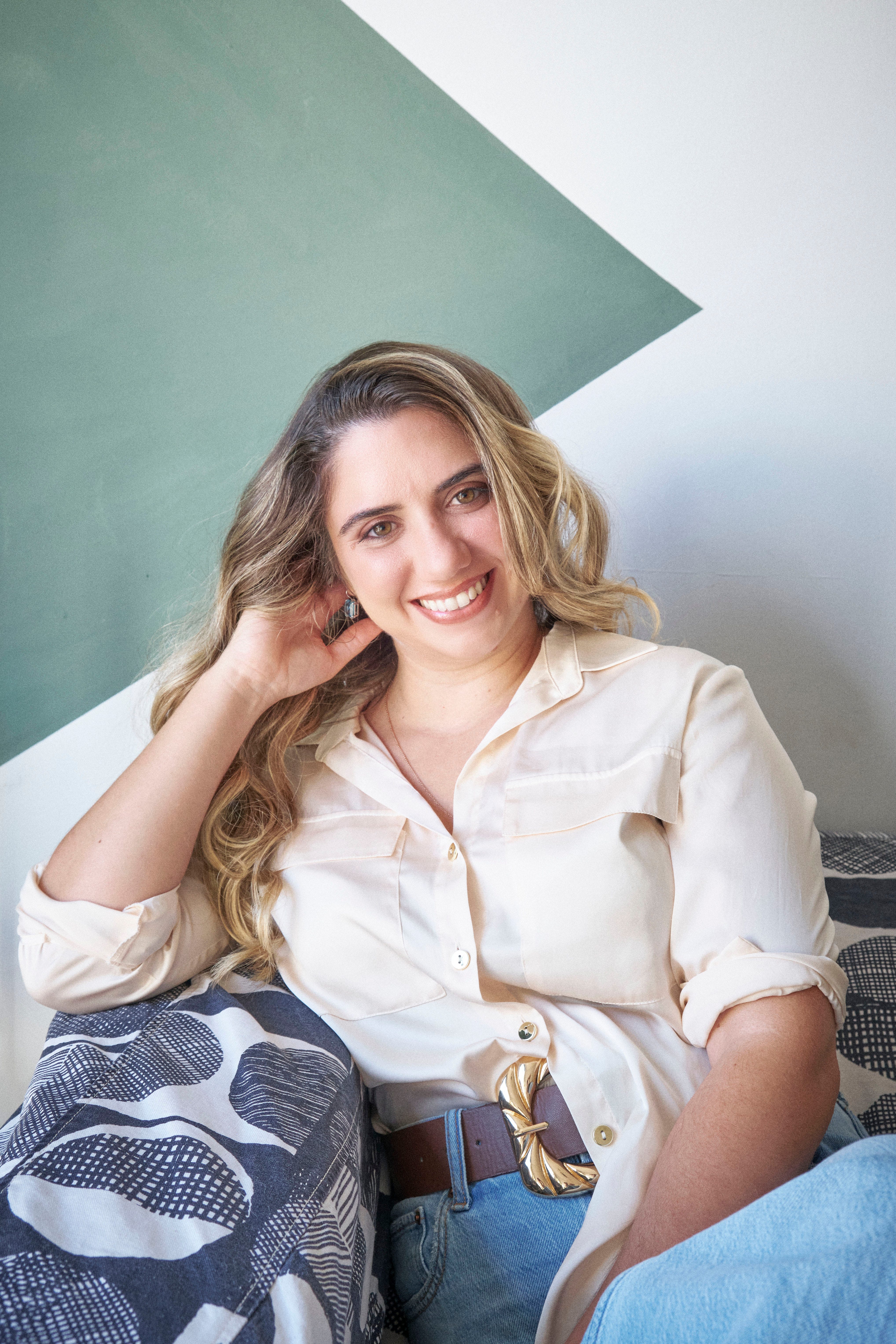
More than love, the book is rooted in art and self-love.
The author wanted to lean into representation and art when it came to the book cover. She also wanted people to get some ideas of the themes and moments within the book. She partnered with Argentine illustrator Sol Cotti to create the cover art.
“The back jacket is kind of like the hair, and it’s sort of like the reflections of the soul and the poppies and all of the pieces that have to do with lots of little Easter eggs about the book,’ Montalván explains. “But, also, the cover, the title of the book, ‘The Sun and All the Other Stars,’ is a play on the last phrase of Dante’s Paradise.”
She adds, “We really wanted it to be very obvious that this book is about the soul and that it’s about love and not just romantic love, but just like love of family, love of yourself, love of your life that you’re living right now in the present.”
“The Sun and All the Other Stars” is out, and you can order your copy here.