

Goodbye PCOS, Hello PMOS
How patient voices drove a global medical consensus to rename polycystic ovary syndrome.
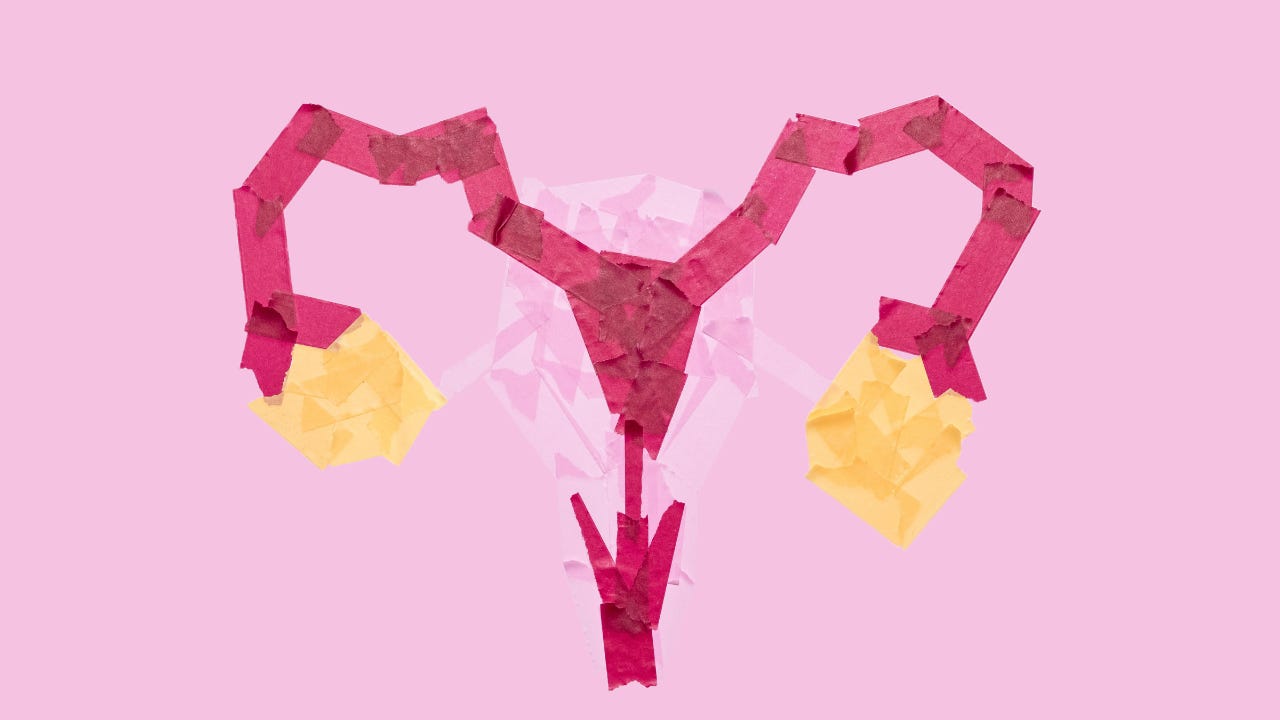
More than one of us has lived with a diagnosis of polycystic ovary syndrome (PCOS), and if you grew up in Latin America, you were likely diagnosed at a very young age.
It’s a condition that affects one in eight women—about 170 million women worldwide. While symptoms vary, the most common include irregular or absent periods, increased facial and body hair, severe acne, weight gain, and dark skin patches.
Why the name was misleading
However, when male doctors first named the condition in 1935, they were convinced it was a disease of the ovaries. Over the years, research revealed that PCOS is actually caused by a hormonal imbalance, particularly involving insulin, which controls how the body manages all its fuels (sugars, proteins, and fats), and androgen hormones.
As The Guardian explained, the imbalance of these hormones affects multiple body systems, including metabolic, mental, skin, and reproductive health, as well as the risk of diabetes and heart disease.
Now, endocrinologists worldwide want to set the record straight.
The push to rename PCOS
For several years, researchers have debated renaming the condition. In 2012, a forum on PCOS organized by the U.S. National Institutes of Health recommended changing the name.
In a guidance document, the group explained that the name was “inaccurate” because it did not fully reflect the condition’s metabolic and endocrine characteristics, including the likelihood that it affects men as well.
Now, it’s official. The condition will henceforth be called Polyendocrine Metabolic Ovarian Syndrome (PMOS)
The name change was published in The Lancet and announced at the European Congress of Endocrinology in Prague, following 14 years of collaboration between international societies and patient groups across six continents.
The renaming was spearheaded by endocrinologist Prof. Helena Teede, director of Melbourne’s Monash Center for Health Research and Implementation. For too long, experts, including Teede, say the misleading nature of the term “polycystic” in PCOS contributed to delayed diagnosis and inadequate medical care.
Announcing the new name at the congress, Teede said the term PCOS didn’t capture the “multi-system burden that people with this condition have suffered,” and that it “directs attention to only one organ.”
PMOS is hoped to better reflect the condition’s complex nature, which affects not only the reproductive system in people assigned female at birth but also metabolism and the risk of diabetes and cardiovascular disease.
As Teede told The Guardian, the new name “moves away from the incorrect focus on cysts … to recognizing this is a much broader condition.” The effects of PMOS on the body “are virtually all endocrine—hormonal,” she says.
How patients drove the change
Teede says patients instigated the name change.
“They wanted it fixed,” she says. “They know how much they have suffered because of the name, and they were really passionate. And that was what enabled us to pursue it.”
Many people go undiagnosed or are misdiagnosed, while many more are dissatisfied with their medical care and suffer severe stigma, the authors write. Even so, the effort to revise the term for the condition has stalled and restarted many times over the past two decades.
It’s taken more than a decade to bring it about, Teede says, adding: “The efforts here are unprecedented. We want this to stick and not just be an idea from a few experts, as it used to be. We used to never consider patient perspectives when we changed the name.”
Now the researchers hope that the name change will spur new studies on the syndrome, including its genetic components and potential treatments.
Teede explains that they “had to get everybody on board.” This meant significant involvement from 56 medical and patient societies in every region across all relevant disciplines, because so many different groups care for the condition.
Teede says: “We needed all those groups involved because we want every one of those groups and societies to own it in all regions of the world, and to actually drive the change. Otherwise, they don’t get the benefit.”
“While ‘reproductive’ may be a more accurate term to cover all the abnormalities in the ovary, as well as in the endometrium and in reproductive health during pregnancy, it also carries a very significant stigma,” Teede said.
What PCOS patients need to know
“There are parts of the world where labeling a woman as having a reproductive condition is directly linked to her value and worth in society, and the cultural implications were enormous,” Teede added.
“For that reason, we spent a great deal of time on this, both in the surveys and in the workshops. The agreed terms were polyendocrine, metabolic, and ovarian. The next step was to bring them together under a new name.”
“There was a lot of underlying concern about changing the name of the condition because it has been so neglected, so poorly diagnosed, so poorly researched, and so underfunded for so long that, quite rightly, patients and consumers were quite up in arms about the fact that they just wanted to get this right,” Teede says.
After a transition period, the new name will be fully implemented in the next update to international guidelines for managing the condition, to be published in 2028.
As someone with PMOS. This name change has been liberating form stigmas we face pertaining our health. 😄🙏