

For Women in the Army, the Barracks Are Deadlier Than the Battlefield
A first-of-its-kind investigation by The Intercept found that more than half of Army women who died by homicide were killed by other service members or veterans.
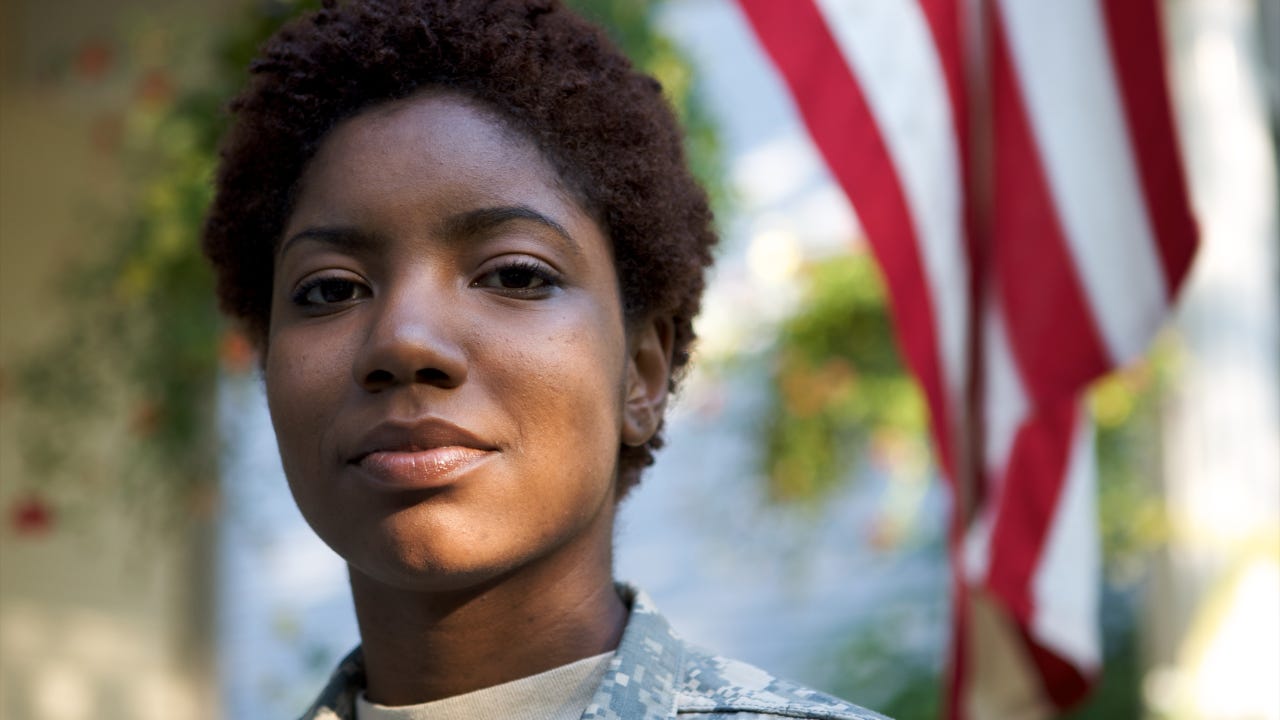
Do you remember Vanessa Guillén? The 20-year-old Mexican American soldier from Houston who was murdered at Fort Hood in 2020 by a fellow soldier, after confiding in her family that she was being sexually harassed on base? Vanessa never reported it through the chain of command because she was afraid of what would happen if she did.
In the months after, her death sparked a national reckoning. There were protests and widespread concern. However, it took over a year for the “I Am Vanessa Guillén Act” to pass the U.S. Senate in December 2021, allowing soldiers to report sexual assault outside the chain of command for the first time. Her sister Lupe stood at the announcement and said: “Someone had to suffer in order for all of us to realize what’s happening and that someone was Vanessa Guillén. That stops now.”
However, it didn’t stop. In the years that followed the Act that bore Vanessa’s name, the rate of women dying by suicide or homicide in the Army rose over 35 percent.
The Numbers the Army Kept to Itself
A first-of-its-kind investigation by The Intercept, published June 30 and based on 14 years of Defense Department death data obtained through a Freedom of Information Act request, found that between 2011 and August 2025, at least 41 women died by homicide in the Army. The investigation found that other service members or veterans killed more than half.
And hey, we get it. With everything going on in the world, these numbers, in a silo, are easy to dismiss. Until you start putting the pieces together.
In perspective, active-duty Army women face a higher per capita risk of homicide than male soldiers, the opposite of national and global trends. Over 70 percent of victims had an intimate relationship with their killer at some point. This implies the rate of intimate partner violence homicides among women soldiers is at least three times higher than the national average.
Unsurprisingly, the Army has never made any of this public. It does not separate homicide and suicide death rates by gender or calculate them per capita, and, what’s worse, there is no publicly accessible information on how many homicides service members commit, who their victims are, or where those homicides occurred.
Even the data the Army did release was incomplete.
When The Intercept asked, the Army acknowledged it had counted 16 active-duty homicides of women between 2021 and 2023. The FOIA data it turned over shows nine.
The Women in Those Numbers Had Names
Sarah Roque was 23 when a fellow soldier shot her in the head at Fort Leonard Wood, Missouri. Her body was found in a dumpster behind the barracks. That was October 2024, four years after Guillén, three years after the law named in her honor. “Even now, I still can’t believe it,” her mother, Ana Roque, told The Intercept. “That murderers could exist in one of the supposedly safest places in the country.”
At Fort Hood, the father of Sgt. Francine Martinez’s 1-year-old child, a fellow soldier from whom she had recently separated, shot her in the head after a night out in September 2021. She died two weeks later. Pvt. Ana Basaldua Ruiz, 20, took her own life at the same base in March 2023 after reporting sexual harassment. A subsequent Army inquiry found a “persistently toxic culture permissive of harassment,” per Telemundo.
And it persists.
Counting Guillén and Ruiz, nine women stationed at Fort Hood died by homicide or suicide in five years. But the Army never announced three of those deaths publicly. They appeared only in the data The Intercept obtained.
At Fort Hood, Spc. Mayra Diaz was blindfolded, bound, waterboarded, and raped in her barracks by Sgt. Greville Clarke, a superior who arrived at her door carrying a pistol. The Army knew Clarke had assaulted two other women at the same barracks in similar attacks and chose not to issue a warning. Clarke assaulted five women before his arrest in October 2022. A judge convicted him in 2025 on charges including attempted premeditated murder. He died by suicide in custody. “Because the Army took no action,” Diaz wrote in a federal tort claim, “Sergeant Clarke was empowered to continue preying on the female soldiers at Fort Hood, including me.”
In summary, suicide is the leading cause of death of Army women. Between 2011 and 2024, 128 women died by suicide, the majority lower-ranking enlisted soldiers. From 2001 to 2023, nearly one in four women service members experienced sexual assault, per Brown University’s Costs of War project. Researchers identify military sexual trauma as the single biggest factor driving the spike in suicide risk among women veterans, per RAND.
Violence Has Many Faces
What happens inside the barracks does not exist separately from what happens in Washington. In September 2025, Defense Secretary Pete Hegseth eliminated the Defense Advisory Committee on Women in the Services, which had focused on sexual harassment and assault for nearly 75 years. In January 2026, he ordered a review of women’s roles in combat. In April 2025, he directed the Army to change its 15-6 regulation, which governs misconduct investigations, making verification of accusers’ “credibility” the first step in the process and imposing penalties for complaints deemed false or frivolous. Advocates warn that the policy will deter reporting and deepen a culture of victim-blaming, per Protect Our Defenders.
Things are so dire that in April 2026, the FBI arrested a former Army whistleblower who had reported sexual harassment within Army Special Operations, charging her with sharing classified information. Hegseth has also moved to block the promotions of women officers.
For her part, Rep. Chrissy Houlahan, an Air Force veteran and House Armed Services Committee member, called The Intercept’s findings “staggering, and unfortunately, unsurprising.” Servicewomen, she said, “consistently bear the brunt of harassment, assault, retaliation, and systemic failures within the ranks, and it is costing them their careers, their safety, and in far too many cases, their lives.”