

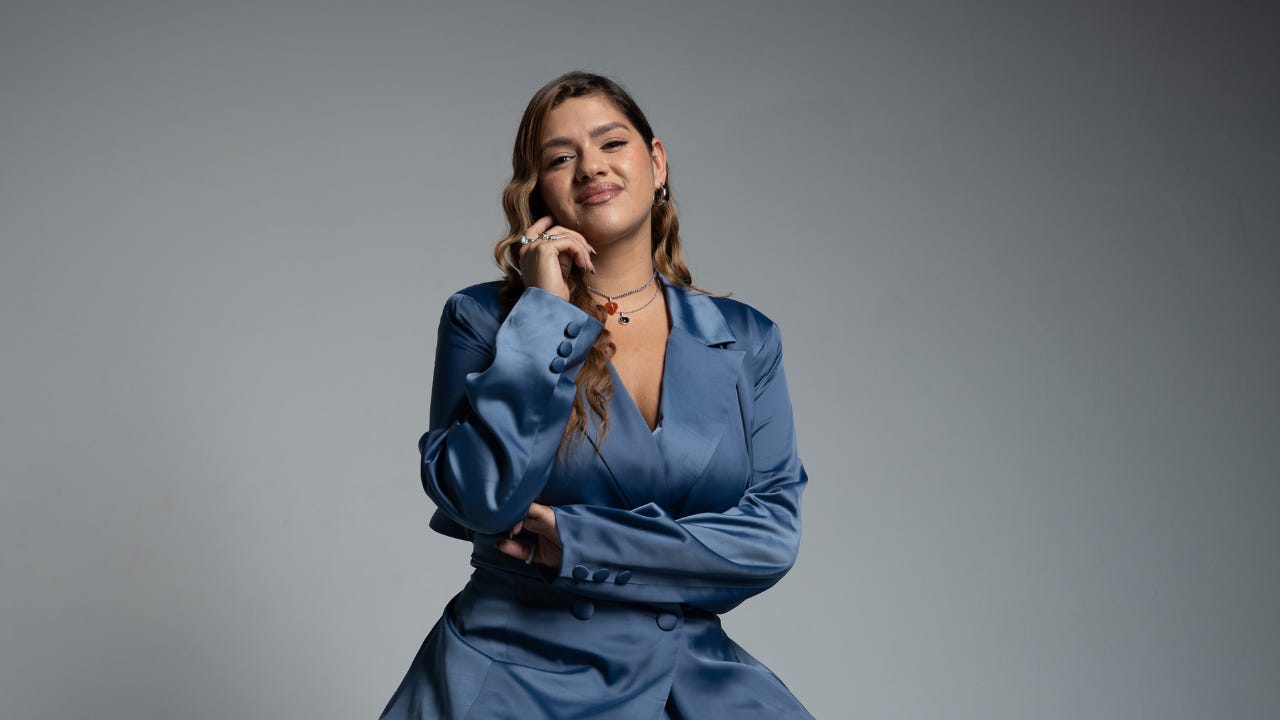
Barbara Rivas knows that having a seat at the table lasts only if you understand how it was made. And if you need to, you should be ready to build your own.
When it comes to putting her rise in the music industry into words, she hesitates to describe it as overcoming adversity, even though she faced a lot of it. Instead, she describes what she saw growing up. She watched her mother leave everything behind and work hard, carrying a burden she shouldn’t have had to bear alone. That experience shaped her drive and her refusal to accept ‘no’ as an answer. Most importantly, it gave her a strong belief that representation is more than just being seen. It’s about having access, making decisions, and shaping what comes next for future generations.
Today, Barbara Rivas is Head of Label & Artist Development at Mr.305 Records, has been recognized on Billboard’s Women in Music 2026 list, and was recently named Assistant Vice Chair of Events at Women in Music Miami. But her titles don’t capture everything. They don’t show how she noticed the lack of women like her in decision-making rooms, or what she chose to do about it.
Before the industry, there was her mother’s sacrifice.
Before anything else, Barbara Rivas was an immigrant girl who watched her mother start over and rebuild their life from scratch.
“Seeing her strength, her sacrifices, and the weight she carried shaped me early on—it became the fuel behind my drive,” she told me. “I wasn’t just chasing my dreams for myself, but also with the intention of one day easing that burden for her.”
Like many Latinas, for her, ambition wasn’t just about personal success. It was about gratitude and the deep motivation that comes from seeing someone you love work so hard.
Barbara didn’t have a clear path into the music industry, but she knew what she wouldn’t accept: staying small, waiting for permission, or letting the industry or the world limit her.
“I didn’t grow up seeing many women who looked like me in positions of power, especially in music,” she said. “That absence teaches you something early: representation isn’t just about being seen, it’s about having access and being part of the decision-making.”
In other words, she wanted more than just a seat at the table. She wanted to know how the table was built from the start.
Broadcasting taught her to read people and systems.
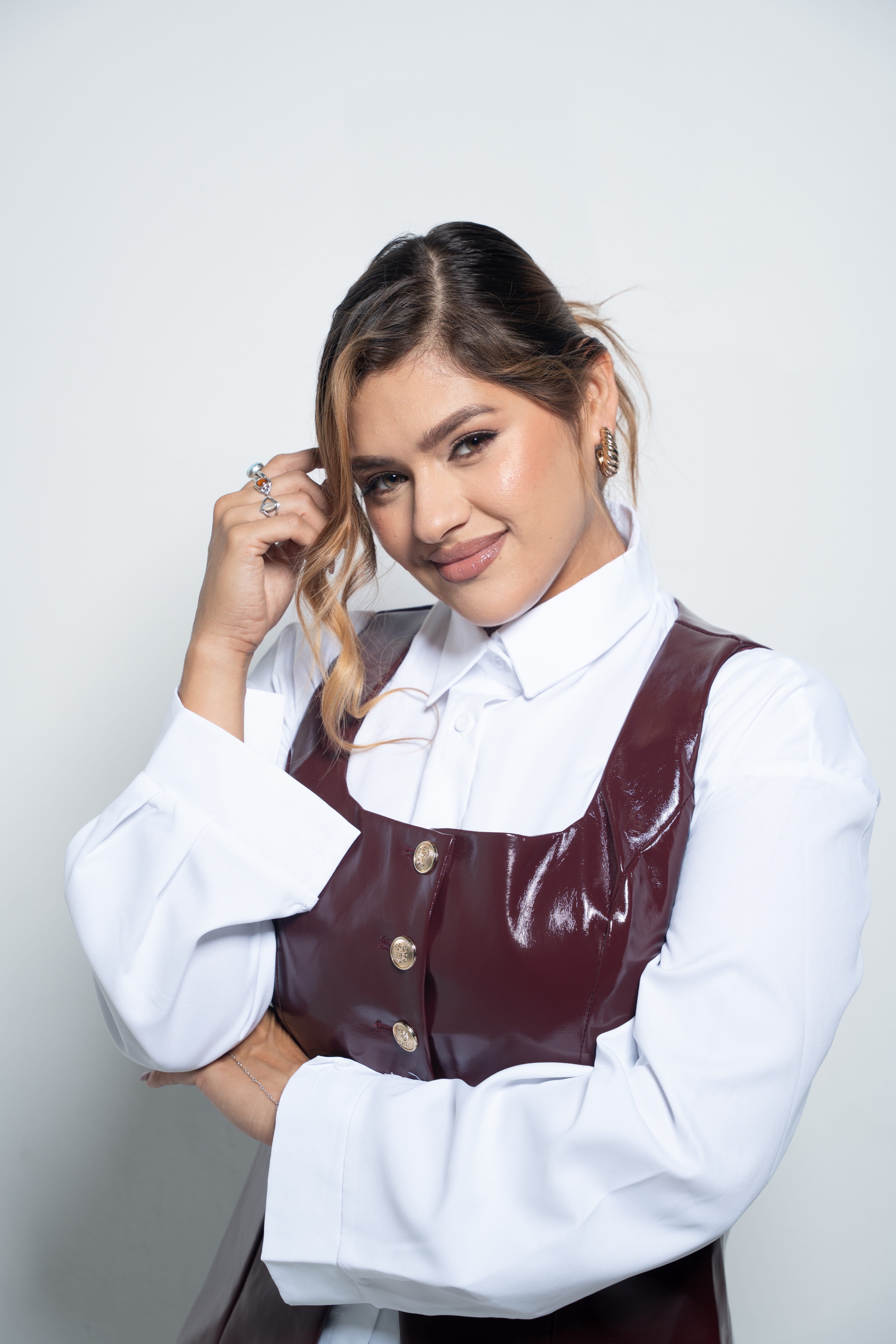
Before becoming an executive, Barbara Rivas worked as an on-air talent. She spent years at Spanish Broadcasting System, Mega TV, and Rapetón, interviewing artists, building audiences, and learning how the industry worked from the outside. This taught her a valuable skill: listening to what people say and what they don’t say. me that this industry is both real and constructed at the same time,” she explained. “It made me a sharper listener—not just hearing what someone is saying, but understanding what they’re navigating behind the scenes.”
After all, when you interview artists night after night, you begin to notice what’s behind their public image. You learn to wait for those honest moments that reveal something real, and those moments are what make stories meaningful to audiences. She soon understood people don’t tune in for music alone but for connection. And when they do, they choose to stay because they feel seen by the person talking to them.
“Your personality, paired with great music and intentional programming, is what turns listeners into loyal fans,” she said. “That’s something I carry into artist development now.”
From covering artists to developing them: A different kind of listening.
On the surface, the move from on-air talent to executive might seem like a natural step, but Barbara Rivas calls it a major change. She took what she learned from watching performers and used it to help artists build lasting careers, especially in an industry that changes fast. “Balancing identity, expectations, and emotion in real time,” she said. “So when I’m building with an artist, I’m not only thinking about what will work commercially. I’m thinking about what feels authentic to them, what they can sustain long-term, and how to protect their vulnerability while still allowing them to grow.”
Her approach has influenced her work with artists at Mr.305 Records. She played a key role in Omar Courtz’s global success. His debut album, PRIMERA MUSA, passed 1 billion streams and went multi-platinum. His next album, POR SI MAÑANA NO ESTOY, debuted at #1 on Spotify’s Top Albums Debut Global chart and reached over 100 million streams in its first week.
With Vikina, she pushed for Latin EDM to be recognized in the industry, which helped create a new category at the Latin GRAMMY Awards. She also worked with IAmChino to shape key creative moments that drove growth.
The barriers that don’t announce themselves.
Whenever people talk about women in music leadership, the topic of barriers always comes up. Barbara Rivas knows this well and addresses it directly.
“A lot of the barriers aren’t loud—they’re structural,” she said. “They show up in who gets trusted with bigger budgets, who gets second chances, who gets listened to the first time they speak.”
For Latinas, there’s an extra challenge. You have to prove yourself in places where people already doubt you. You try to be assertive without being called difficult, and strategic without being questioned. You show your skills but still try to be agreeable. You take up space, but not too much.
“Those things don’t always get named, but they shape how women move in these spaces every day,” she said.
Beyond these daily challenges, there’s a bigger issue: the lack of mentorship and sponsorship. It’s one thing to get into the room, but it’s another to have people there to support your growth when you’re not present. It takes someone with influence to say, “This woman should be in the next room too.”
Barbara Rivas has become aware of that gap and of her responsibility to close it.
For Barbara Rivas, burnout is not a personality flaw. It’s a design flaw.
For a long time, Barbara kept up with the industry's fast pace: always working, always pushing, and never stopping to ask whether it was sustainable. She noticed burnout, anxiety, and disconnection in herself and others. That’s the cost of ambition without healthy boundaries.
“This industry moves fast, it’s high-pressure, and it doesn’t always encourage you to slow down or check in with yourself,” she said. “For a long time, I operated in that rhythm. But I started to see the cost of that.”
She reached a breaking point, both personally and by seeing it happen to others. This changed how she saw her own responsibility.
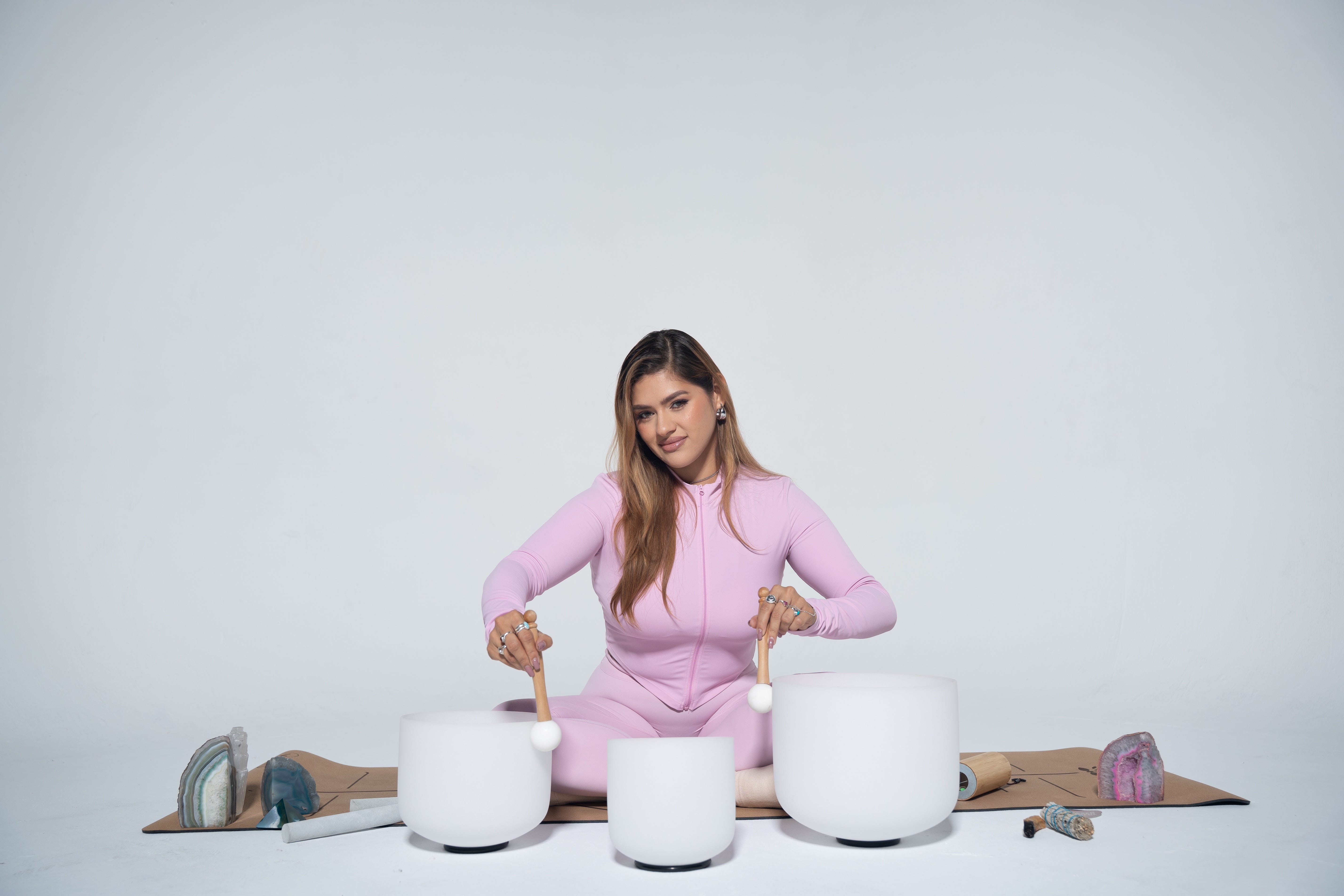
This experience led her to start The Blissful Project, a wellness initiative that promotes balance, sustainability, and mental health in the music and entertainment industry.
“Wellness stopped being something optional and became something necessary to sustain any kind of long-term career or impact,” she explained. “I wanted to create space for conversations we weren’t having—especially within the Latino and music community—around mental, physical, and spiritual health. Because if we’re building careers but losing ourselves in the process, then what are we actually building?”
She is building her legacy in places most people never see.
Barbara Rivas knows exactly what she wants her legacy to be, and it’s not about chart positions or streaming numbers. Instead, she measures it by how people feel when they’re with her.
“I want artists to feel like they were seen fully—not just for what they could produce, but for who they are,” she said. “That they were supported in building something sustainable, not just something momentary.”
Her vision is even clearer for the women who will follow her.
“I hope it feels a little less isolating,” she said. “That there are more examples, more access, and more pathways than there were before.”
She keeps her promise by joining mentorship programs with The Recording Academy and GRAMMY U, connecting women with leaders and helping them find new opportunities. She becomes the person she once needed—someone with power who opens doors for others.